
When King Lear recognizes his own self-destructive behavior he utters four words that shaped my life: “That way madness lies.”
Florida’s 2026 decision to reduce funding for the AIDS Drug Assistance Program for medications that keep people with AIDS from transmitting the HIV virus to others, is surely a form of bureaucratic madness, which will sentence some people to death. Madness indeed.
I have known something about the heterosexual transmission of AIDS for decades.
On February 4, 1984 I was interviewed on a 60 Minutes piece called “Helen” about a New Haven, Connecticut prostitute and drug user whose baby was born with AIDS.
What the “Helen” 60 Minutes piece did for 20 million viewers was scare heterosexuals into paying attention to the possibility that a woman’s body fluids could transmit the disease, since Helen’s baby had AIDS at birth.
In other words, the baby had only been exposed to one human being’s body fluids, that of a heterosexual woman.
The public had then sat comfortably in their belief that AIDS was a “gay disease” and of no concern to those who were not gay.
The experience of being on that 60 Minutes piece went to my head and I felt, at age 39, perhaps AIDS activism was my calling. After all, I had graduated from Yale Divinity School in 1980 and I was ripe to hear “a call” to ministry.
After the 60 Minutes piece I interviewed for a number of pastoral positions.
Soon I heard of a job called “Shepherd of the Streets” in Wilkes Barre, Pennsylvania.
The committee even flew me out for the interview after reviewing my credentials. And here is where King Lear ‘s words came in.
It looked like I might be offered the job of Shepherd of the Streets and I realized “that way madness lies,” at least for me.
I knew enough about myself that I was in over my head. I withdrew my name from consideration.
I feared I might actually get the job especially since I had graduated from Yale Divinity School in 1980, a place which trains shepherds to work in white clapboard buildings with steeples. Shepherd of the Streets seemed like a modern version of ministry. So why not do it?
Like Lear, I recognized that if I were to become an activist trying to change the behavior of folks from engaging in unsafe sex to protecting themselves by engaging in safe-sex to save them from getting AIDS, I might be choosing my own emotional destruction.
I would in effect be meddling in the most private of choices a human being makes.
At the time I thought I was cowardly in withdrawing as a finalist in Wilkes Barre’s Shepherd of the Streets search process. But I also knew AIDS was an explosive issue in 1984.
It has taken 42 years for TV advertisers to do what I couldn’t bring myself to do: meddle in the safe-sex debate.
But what I thought of as meddling then, may be merely merchandising now, especially since gay marriage has been legalized following the U.S. Supreme Court’s landmark 2015 ruling in Obergefell v. Hodges, which established it as a fundamental right.
Of course advertisers want to sell medicine to neutralize the HIV blood count of persons with AIDS. And what was “meddling” for me in 1984 may be enlightened discussion in 2026. The gay stigma is largely gone. There are ads for people with AIDS on TV every day of the week now.
Instead of being a Shepherd of the Streets I chose to spend most of those 42 years between my interview on 60 Minutes about the heterosexual transmission of AIDS, not as an AIDS activist but, as a high school English teacher in Vermont to 2,400 students in White River Junction Vermont.
That job was a different kind of madness than King Lear feared: The joyful madness of shepherding Shakespeare through young minds.
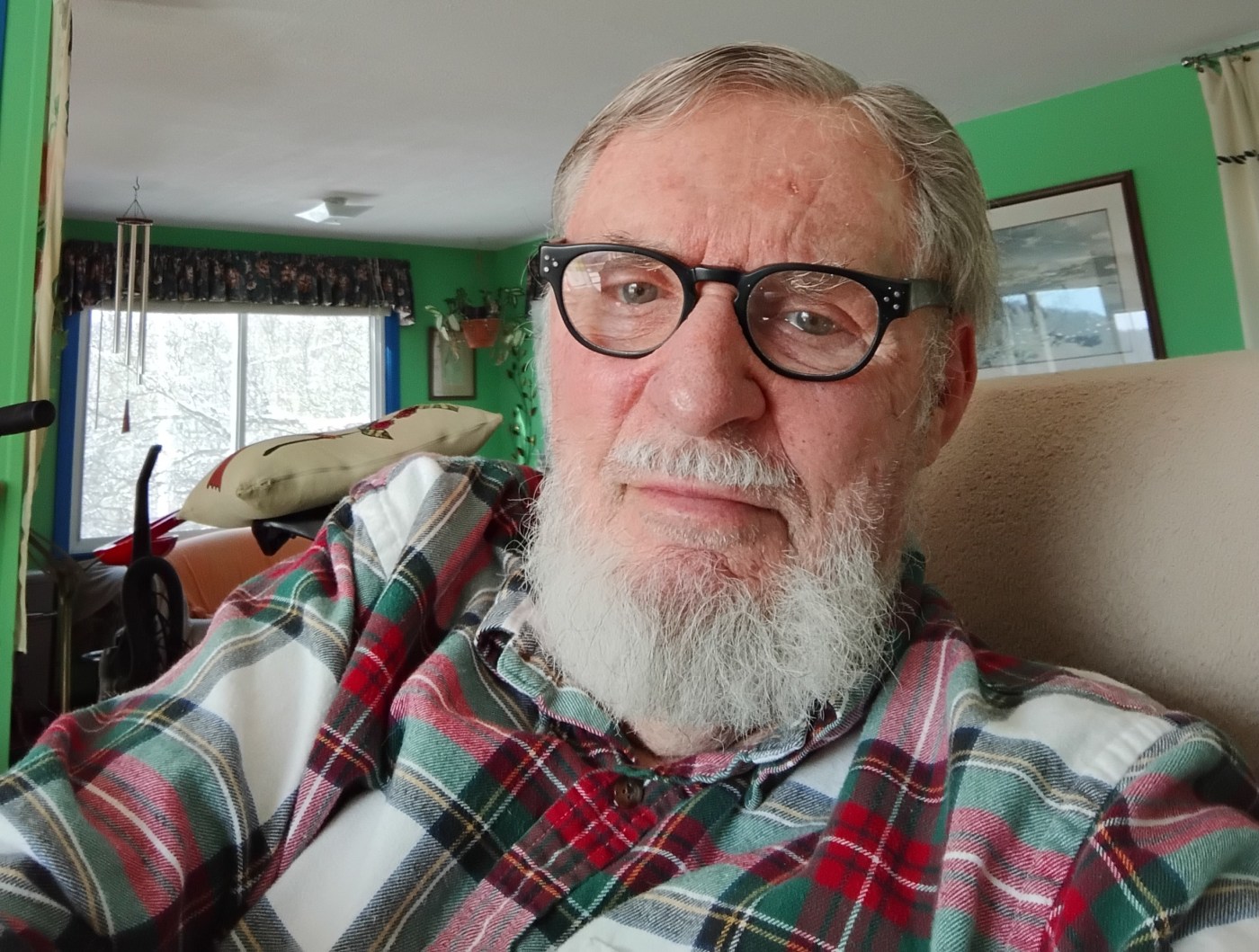
Paul Keane is a Connecticut native and now a retired Vermont teacher.