
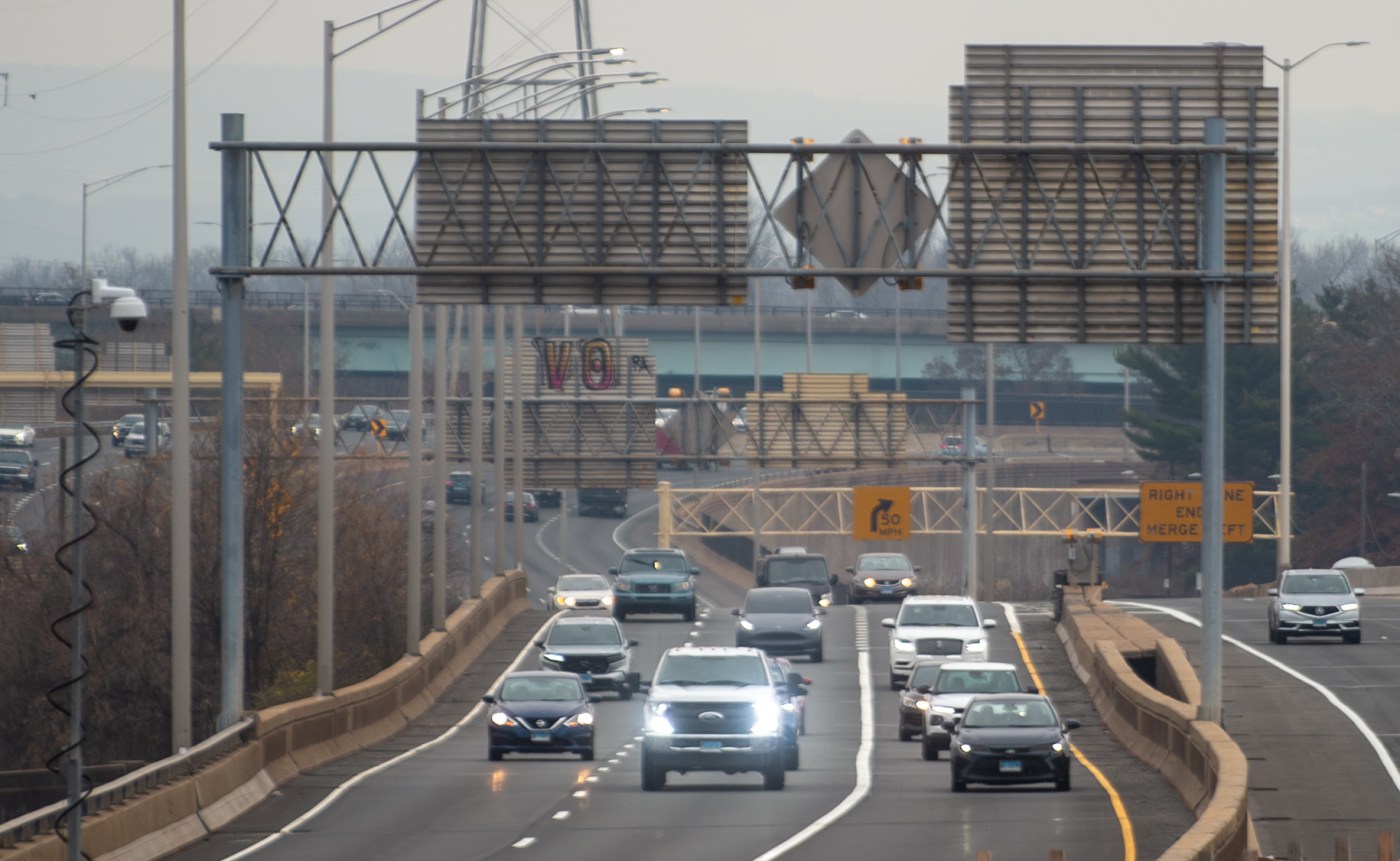
Fatal vehicle crashes in Connecticut have steadily decreased in recent years as more rigorous traffic laws are implemented across the state — but there is still room for improvement, according to a national report on road and vehicle safety.
As of Oct. 1, penalties increased for those caught driving over 100 mph, and drivers convicted of either two or three moving violations, must take a driver retraining course. There are also increased fines for drivers who do not yield to pedestrians and new helmet requirements for motorcycle drivers under 21.
Similarly, red light cameras and speeding cameras continue to pop up across the state, since state law allowed for the installation of automated traffic regulation in 2023. Many municipalities and cities are continuing to push for additional cameras.
Historically, fatal accidents occur on Connecticut roads fairly consistently through the year, although summer months have seen slightly more in some years.
That could be attributed in part to traffic volume, which increases in the summer on I-95.
But while roads in the state tend to be busier in the summer, that could slow traffic overall. According to Department of Transportation data, more drivers tend to speed in the winter months.
Meanwhile, an analysis of each state’s road safety reported that Connecticut could use more laws addressing child and passenger protections in cars.
Connecticut received a ranking of “yellow” or “caution,” from the report, published by Advocates for Highway and Auto Safety. While surrounding states New York and Rhode Island received “green” ratings, based on their traffic policies, most states in the nation aligned with Connecticut.
The report gave Connecticut credit for the adoption of red light cameras, and the state received a “good” ranking for automated red light and speeding camera usage and allowance.
However, Connecticut received “danger” ratings for seat belt laws. The state requires that all occupants wear seat belts, but police cannot pull over a driver for an unbuckled back-seat passenger. Motorcyclists over the age of 21 are not required to wear a helmet.
As for child passenger safety laws, Connecticut fell in line with 38 other states, receiving a “danger” rating. Most states in the nation, like Connecticut, do not require children who have outgrown a front-facing car seat to use a booster seat. Instead, any children 8 or older or over 60 pounds are allowed to use just a seat belt.
Sasha Allen is a data reporting fellow with The Connecticut Mirror.