
Housing growth plans municipalities must create under a housing law passed last year will have to indicate specific parcels of land and areas of town that would work for developing more housing, according to preliminary state guidelines released Monday.
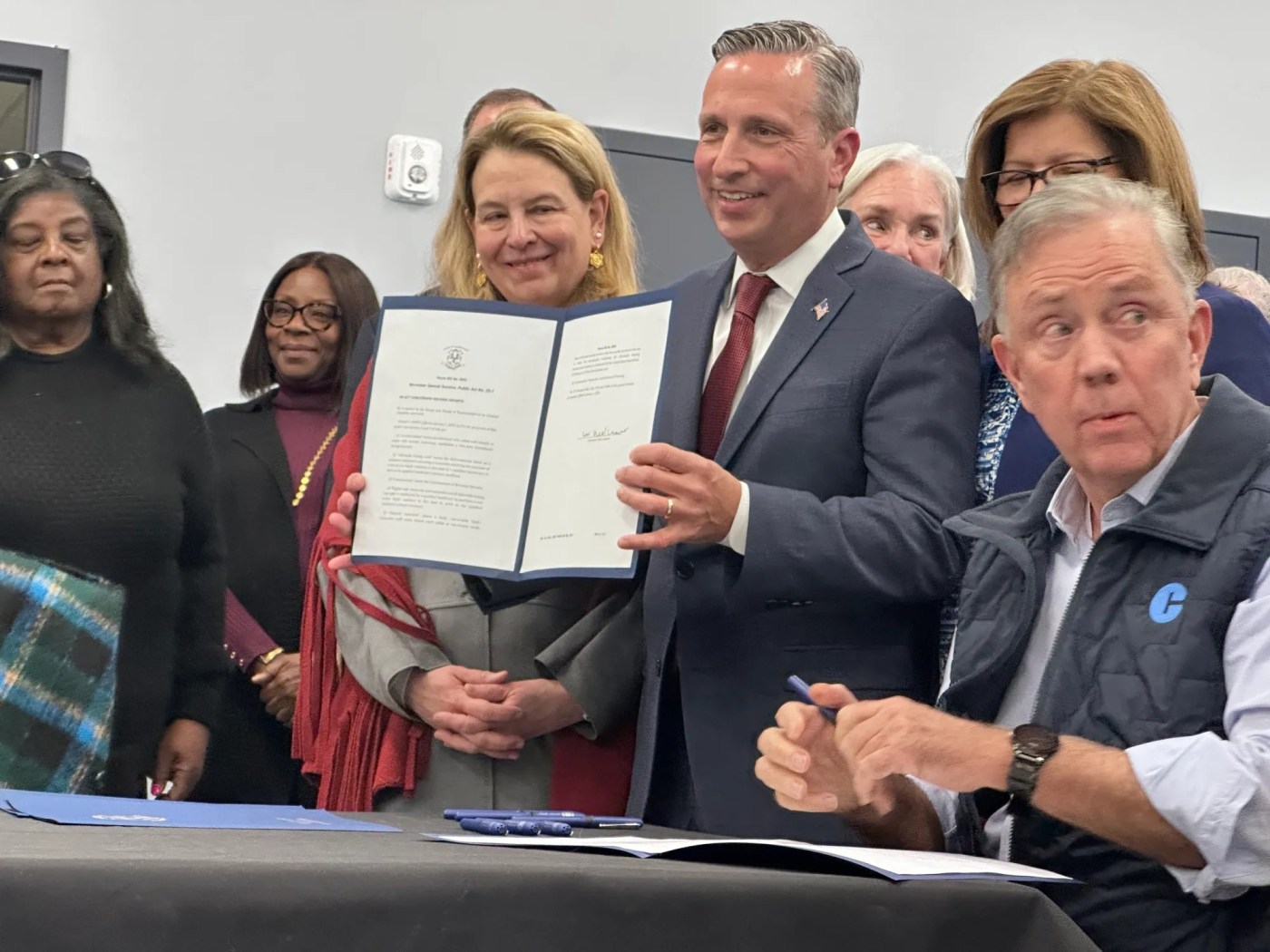
The first plans are due June 1, 2028 and are required as part of House Bill 8002, which was passed during a November special session. The guidelines from the Office of Policy and Management explain what Connecticut’s 169 towns must do to develop these plans to build more housing.
H.B. 8002, which allows towns to participate in regional plans or build their own, takes several steps to push towns to increase their housing stock, particularly housing that’s affordable to people with low incomes. Under the law, towns have to determine how many housing units they need and include that in their plans.
For the 20 towns with the lowest net grand lists per capita, there are some different requirements under the law. These municipalities won’t have to set goals for the number of units they’ll build. But they will have to explain how they’ll preserve existing housing and avoid displacing residents while they develop more housing, among other requirements.
Connecticut faces a dire shortage of housing, which means many renters are paying high percentages of their incomes to housing. Experts have also said that the cost of housing has harmed the state’s economy.
The guidelines are preliminary; OPM is accepting comments on the draft until April 30.
Under H.B. 8002, towns should develop plans that work with regional, state and municipal plans of conservation and development, which are developed every few years to help the state plan for growth, infrastructure needs and ecological concerns.
The guidelines encourage a diversity of housing including duplexes, triplexes, quadplexes, townhouses, multi-family housing, a mix of residential and commercial use and accessory dwelling units. It also says there should be a range of unit sizes, and encourages towns to plan for housing for people with disabilities.
All towns will have to create an inventory of developable land and make any zoning changes necessary to allow building on that land. Towns will also report on their infrastructure needs, especially for things like sewer and water capacity.
It also says that towns must “affirmatively further fair housing,” in their plans. That phrase means that governments should take meaningful action to ensure that people have equal access to housing and ensure that housing isn’t segregated.
In a letter sent last month to OPM, Open Communities Alliance Executive Director Erin Boggs emphasized the importance of prioritizing fair housing and offering clear guidelines.
“Without clear expectations in the Guidelines as to what the Housing Growth Plan requires, consistent with fair housing laws, communities and COGs would draft plans dependent on their own varied interpretations of the law,” Boggs wrote. “Piecemeal interpretation and inconsistent approaches to plans and reports would mean OPM would have no single yardstick to evaluate plans and reports fairly, as it must do.”
Boggs said during an interview Tuesday that she hopes to see more specifics in future iterations of the guidelines and that OPM will take public comments under advisement to revise them. There should be more specifics about fair housing, and assurance that suburban towns won’t try to put all the housing needs for the region in cities, she said.
“The way in which fair housing and other equity legal obligations that actually are woven into this bill are absent from the guidelines in their current form,” Boggs said. “We would like to see clarification.”
Ginny Monk is a reporter for the Connecticut Mirror. Copyright 2026 @ CT Mirror (ctmirror.org).