
The tragedy that shook Marjory Stoneman Douglas High School in 2018 didn’t end when the sirens stopped; for 26-year-old Donovan Joshua Leigh Metayer, the echoes of that day lasted a lifetime. On December 15, the young survivor’s long battle with the invisible wounds of the Parkland massacre came to a tragic end. His family shared the devastating news that Donovan died by suicide at his home, leaving behind a community once again grappling with the long-term cost of gun violence.
Donovan was just a senior, looking forward to graduation, when the shooting claimed the lives of 17 of his classmates and teachers. While he made it out of the building physically unharmed, his family says the “unimaginable sorrow” he carried never truly lifted. In the years following the attack, he was diagnosed with schizophrenia and struggled through deep bouts of depression and survivor’s guilt. For seven years, he fought a quiet, exhausting war within himself, moving between periods of hope and intense isolation.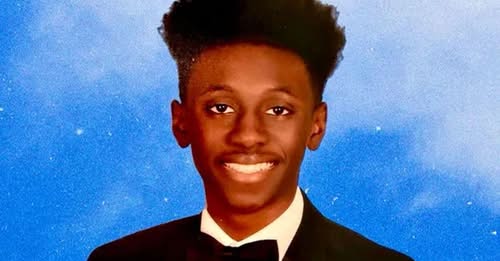
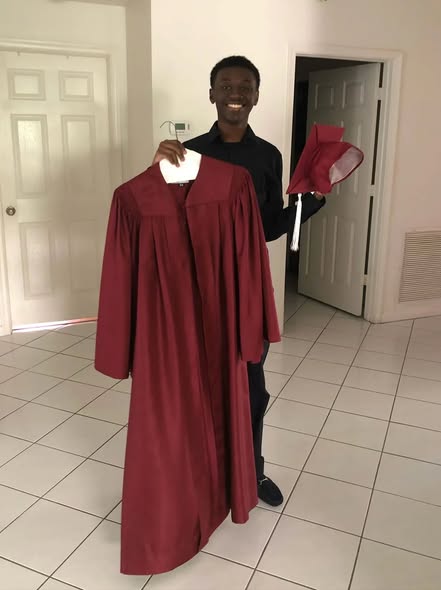
Those who knew Donovan best didn’t just see his struggles; they saw a young man who was brilliant, funny, and incredibly kind. He was the baby of the family, someone whose magnetic humor could light up a room even when he was hurting. Despite the weight of his trauma, he never stopped trying to build a future. He worked hard to earn an IT certification and found a job at Office Depot, small victories that represented his massive determination to find a sense of normalcy again.
However, the systems meant to protect him eventually hit a wall. In 2021, following a mental health crisis, Donovan was placed under a Risk Protection Order, a legal measure in Florida designed to keep firearms out of the hands of those in crisis. For three years, that order acted as a safety net. But earlier this month, the order expired. Within just a few days of it lapsing, Donovan was able to legally purchase a handgun—the very tool he used to end his life.
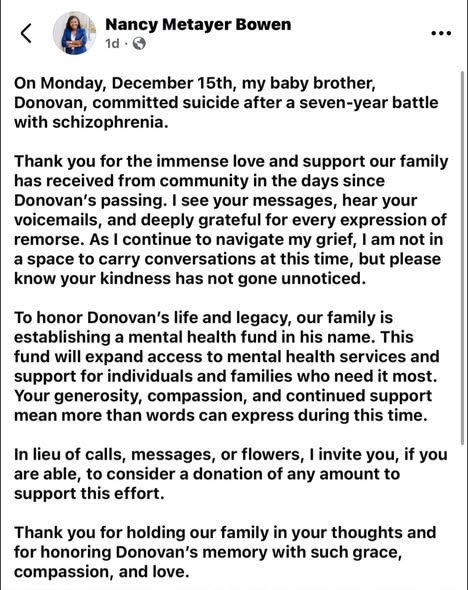
His family is now choosing to speak out, breaking what they call the “code of silence” around mental illness. His sister, Nancy Metayer Bowen, has been vocal about the gaps in the system that allowed her brother to access a weapon so soon after his legal restrictions ended. They want the world to understand that Donovan didn’t just die of a mental health condition; he died from the compounding weight of a trauma that our society often expects victims to simply “get over” after the headlines fade.
In his memory, the Metayer family has launched a GoFundMe to help with funeral costs and to establish a legacy fund at the Henderson Behavioral Health Clinic. Their goal is to ensure other families in Florida don’t have to navigate the maze of behavioral health care alone. They hope Donovan’s story serves as a wake-up call about the urgent need for permanent, sustained support for survivors of mass shootings, whose lives are often permanently altered in ways the public rarely sees.
Donovan’s life mattered far more than the way it ended. He was a son, a brother, and a survivor who tried his best to carry a burden no 18-year-old should ever have been given. As Parkland mourns yet another loss tied to that dark February day, his family asks that we remember the “Donny” who loved to make people laugh, and that we do more to protect the young people still living in the shadow of violence.
The post Seven Years Later, the Parkland Shooting Claims One More Life: The Heartbreaking Story of Donovan Metayer appeared first on Tripplenews.
The post Seven Years Later, the Parkland Shooting Claims One More Life: The Heartbreaking Story of Donovan Metayer first appeared on Voxtrend News.