
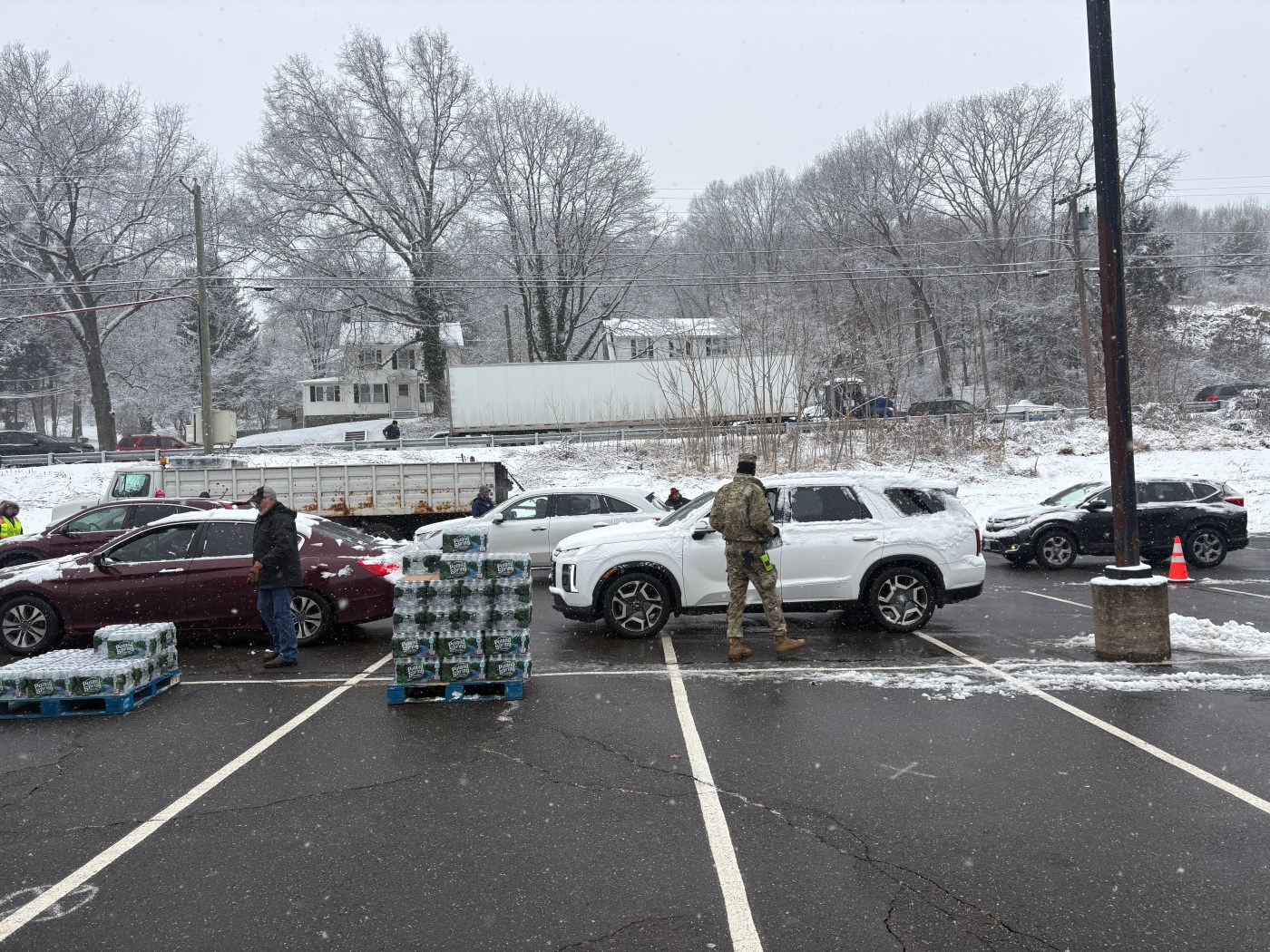
The rupture that paralyzed the city Friday night wasn’t an isolated event—it followed a smaller break just weeks earlier. Once again, residents were left without water for days.
Emergency responses, such as bottled water distribution, were essential but stretched thin.
But what about heat? Despite reviewing every available report, I found no coverage of residents losing heat—no discussion of boilers, system shutdowns, or tenants struggling to stay warm.
That silence is telling. The lack of reporting points to an overlooked reality: for renters in aging multifamily housing, water loss often means heat loss, too.
When harm primarily affects renters, history shows it often goes underreported. Many of Waterbury’s older buildings depend on centralized boiler systems that require water to generate steam.

Tenants have no individual control over those systems. When the water stops flowing, the boilers shut down—and the most vulnerable residents are left to endure freezing conditions.
Water loss that triggers heat loss isn’t just an inconvenience. It’s the predictable result of decades of deferred maintenance, underinvestment, and fragmented planning. And it turns an infrastructure failure into a public health emergency.
This is not only an environmental justice crisis—it’s a housing code crisis and a public health crisis all at once.
Waterbury—and every Connecticut city with aging infrastructure—must view this as a warning, not an anomaly. Communities must prepare for dual water-and-heat outages, especially in multifamily housing dependent on boilers. Emergency plans should address the health risks of cold exposure, particularly for seniors and residents with chronic illnesses that worsen in cold, damp conditions.
Cities need to:
• Notify residents early and clearly.
• Require landlords to implement emergency heating protocols.
• Designate and publicize warming centers in advance.
• Coordinate water and heating assistance for those in need.
• Enforce housing codes that safeguard tenants in extreme weather.
Climate change is not a distant threat—it’s already here. If cities fail to plan for cascading infrastructure crises, residents will once again be left cold, isolated, and in danger.
Sharon Lewis is the executive director of the Connecticut Coalition for Economic and Environmental Justice, and chair of the Connecticut Zero Waste Coalition.