
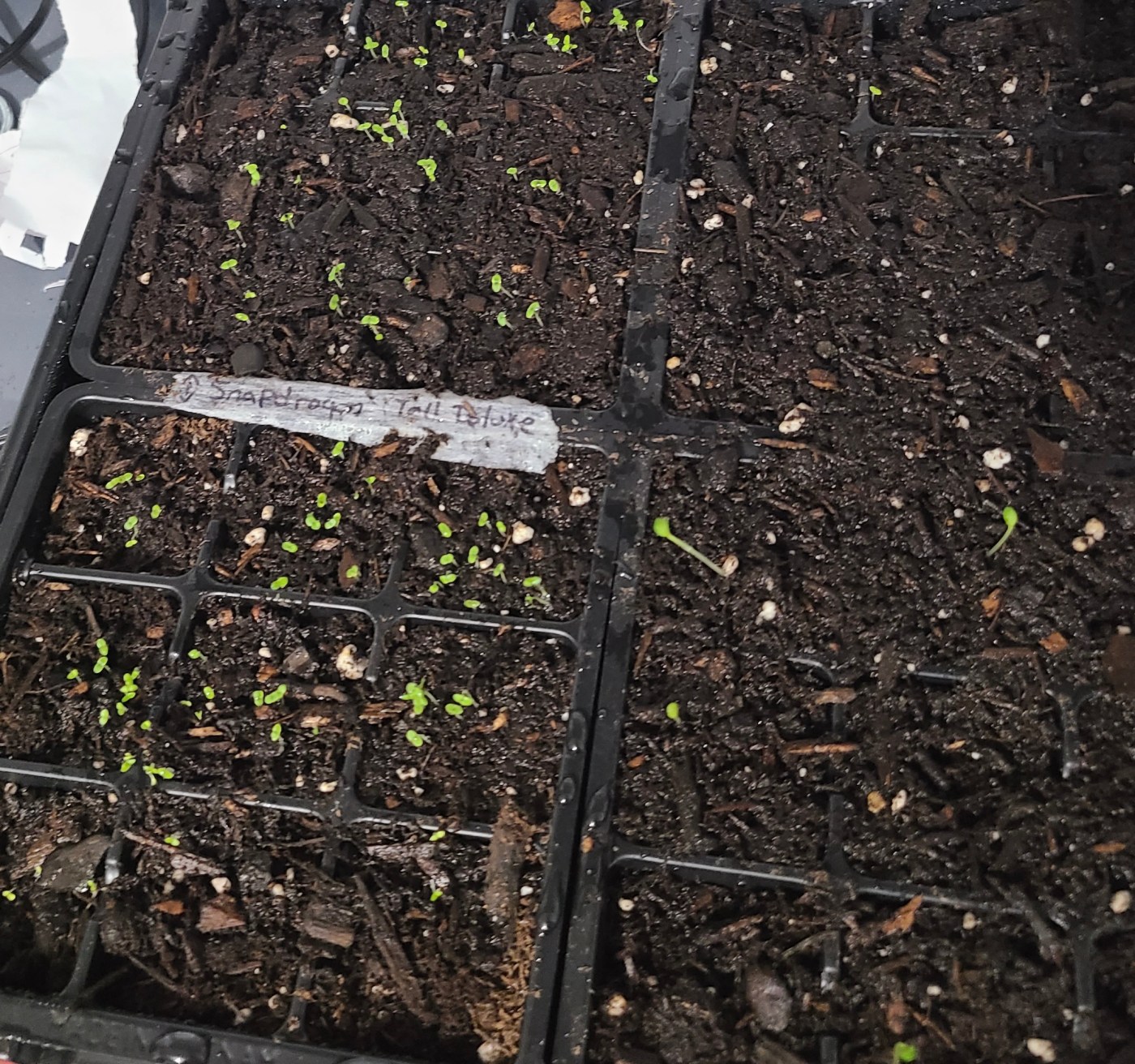
Growing plants from seed is one of the most rewarding parts of gardening. In Connecticut, late winter is the time to start many cold-weather crops indoors, so they’re strong and ready to move outside after the last frost. Starting seeds requires a fair amount of attention, but you don’t need any special tools – this is an affordable project that anyone can tackle.
Start by choosing seeds from a New England or Connecticut–based company. Local seed companies offer varieties adapted to our shorter growing season and changing spring temperatures. One seed packet is usually enough for a 10- to 30-foot row. To determine when to start your seeds, use a calendar and the most up-to-date forecast for the last frost. Write the sowing date on each seed packet, then group packets with similar planting times together to stay organized.
You don’t need any fancy equipment to sow your seeds. All you need are containers with drainage holes and catch trays for excess water. Reuse items from around the house – Styrofoam cups, yogurt or cottage cheese containers, salad tubs, plastic takeout boxes, egg cartons – the list goes on! Before planting, wash containers with soap and water, then rinse with a solution of one part bleach to ten parts water to prevent disease.
Choose a commercial seed-starting mix that is loose and drains well. Garden soil is not recommended because it is not sterile and can introduce mold or disease. Fill containers to about one inch from the top with moistened seed-starting mix. Level and gently firm the surface. If planting more than one type of seed in a container, make shallow rows and sow seeds evenly. If planting just one type, you can scatter them lightly across the surface.
Make sure to label them immediately before or after sowing. Then, cover your seeds with a thin layer of vermiculite or seed-starting mix. Very tiny seeds should remain uncovered. Mist gently with water or set the container in a pan of warm water to moisten from below. Cover the container loosely with plastic wrap or a plastic bag to hold in moisture. You likely won’t need to water again until seeds germinate. Place trays in a warm spot out of direct sunlight. Once seedlings emerge, remove the plastic and move them to a bright window with indirect light. Allow the soil to dry slightly between waterings, but don’t let the seedlings wilt. If needed, thin them out by snipping extras at the soil line with scissors. If they outgrow their containers, you can transplant them into individual pots once they develop one set of true leaves.
Seedlings must adjust gradually to outdoor conditions, a process called “hardening off.” Start by placing them outside in part shade, protected from wind, for about a week. Bring them in at night before temperatures drop. During the second week, slowly increase sun exposure. Start by leaving them outside in direct sunlight for an hour for the first day, and then increasing the amount of time each consecutive day. After this week, if no freezing temperatures are expected, plants can remain outside until transplanting. Hardening off is important in the seed sowing process: skipping this step can lead to sunburned, damaged leaves.
Choose a cloudy day to transplant your seedlings to reduce shock. Dig a hole twice as wide as the plant’s root ball. Gently remove the plant from its container with a spoon, keeping as much soil around the roots as possible. Try not to grasp the plant by its stem; this can cause serious damage. Set it in the hole at the same depth it was growing in its container. Fill the hole gently, without packing the soil tightly around the roots.
Annual flowers like marigolds and zinnias are excellent for beginners. Check the seed packet to determine how many weeks are needed before transplanting outdoors. In late winter, gardeners can start artichokes, perennial herbs, chard, salad greens, onions, leeks and more. By late February/early March, sow cole crops such as broccoli, cabbage, cauliflower, Brussels sprouts, and kale. Tomatoes and peppers can also be started indoors for transplanting later in spring. In New England, peas can be planted outdoors as soon as the soil is workable.
Starting seeds indoors may seem technical at first, but it’s simply a matter of timing, clean containers, good grow mix, and patience. With a little planning now, your garden will be off to a strong start when warm weather finally arrives.
The UConn Home Garden Education Office supports UConn Extension’s mission by providing answers you can trust with research-based information and resources. For gardening questions, contact us toll-free at (877) 486-6271, visit our website at homegarden.cahnr.uconn.edu, or reach out to your local UConn Extension Center at extension.uconn.edu/locations.