
As Connecticut experiences a historic stretch of below freezing temperatures, ticks in the state may see a moderate decrease in their population but may not be as affected by the cold snap as expected, scientists said.
Dr. Goudarz Molaei, an entomologist with the Connecticut Agricultural Experiment Station, said ticks have many defenses against freezing temperatures. One big reason why they may not be as affected this year has to do with the amount of snow on the ground. Snowfall acts as an insulator, trapping heat on the ground allowing many types of ticks to keep isolated against the cold.
“In general, ticks can enter a dormant stage. Not all ticks species can, but a number of them can,” Molaei said. “Cold temperatures are not going to have a big impact on their population in the following year. But if the temperature gets close to under 10 degrees for a sustained period, they may suffer some mortality. Particularly if the drop in temperatures is sustained for at least 10 days with no shelter, they will suffer some mortality. The problem this year is that there is a lot of snow cover. Snow substantially protects ticks. It acts as a warmth shield that keeps them out of the freezing air.”
Ticks frequently shelter under leaf litter or snow to survive freezing temperatures in winter, he said. Snow acts as a more insulating barrier than leaves, as it creates pockets that hold in warmer air on the ground. If Connecticut didn’t have snow covering the ground, Molaei said he believes that would create a higher mortality rate.
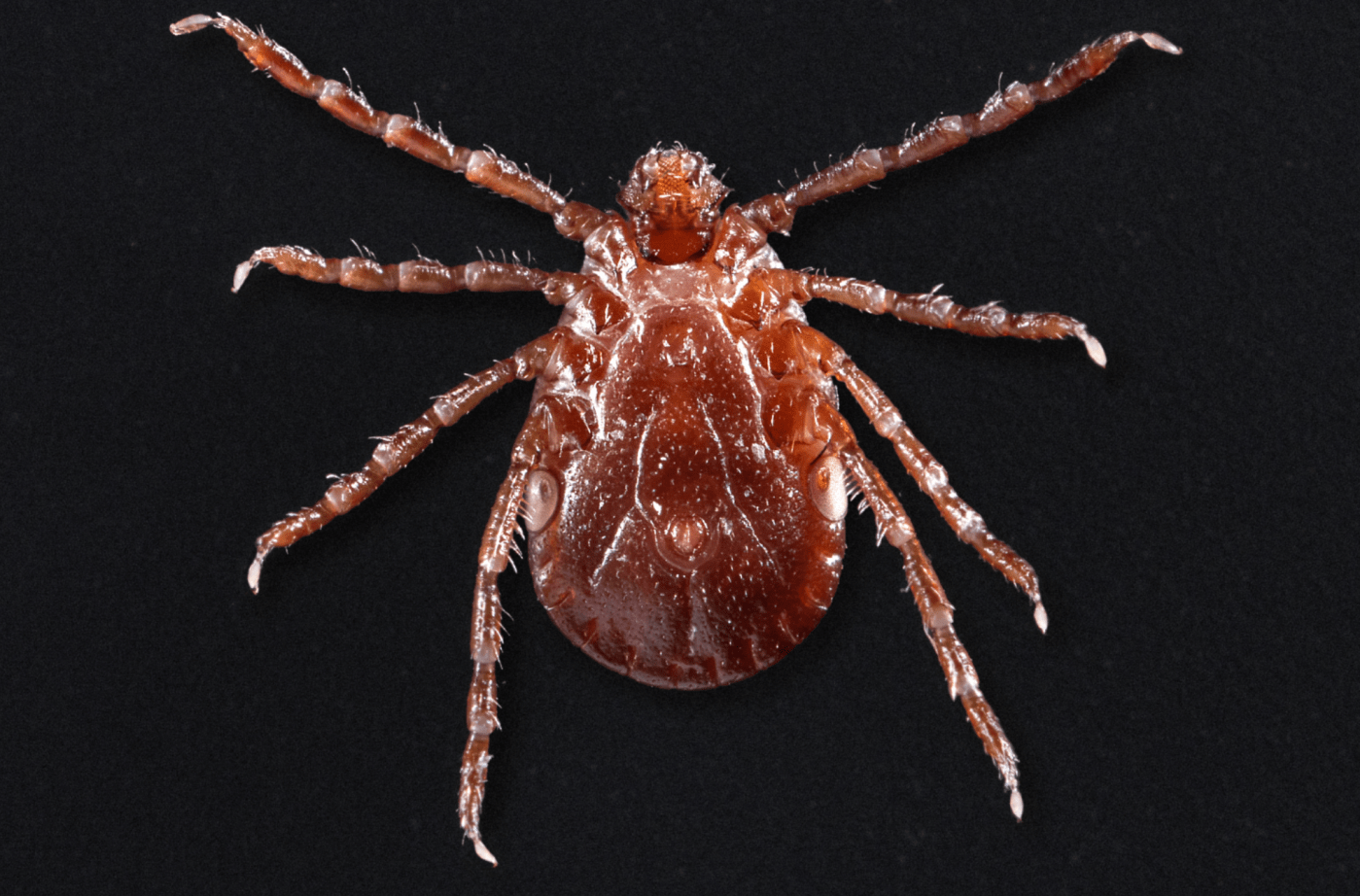
Blacklegged ticks, also known as deer ticks, are highly adjusted to surviving cold temperatures by producing a type of natural antifreeze to prevent their cells from rupturing, according to Moleai. Other invasive or non-native ticks, like the Lone Star or Gulf Coast ticks, may be more impacted by colder temperatures, he said. He said that Connecticut has a number of invasive ticks that are most likely more prone to mortality in colder temperatures.
“I suspect this cold will have a marginal impact on the tick population,” Molaei said. “In 2025, we had a record number of ticks, it surpassed 6,000 submissions. Our average each year is around 3,000 ticks. People can send the ticks they find on them to us to get tested. My feeling is we may not have that high a number this year, but I don’t think the cold will have a big impact on the population, largely because of the snow cover.”
Molaei said that so far this year, the CAES has received three ticks for testing as temperatures climb during the day to around freezing. Blacklegged ticks can become active and start looking for hosts to feed on when temperatures climb just above freezing. Most other ticks become active again whenever temperatures rise above 35 degrees Fahrenheit.
“It is important for people to know that ticks are still active when temperatures get to around freezing,” Molaei said. “So if you’re out and about, particularly if in the woods hiking, be cautious that tick bites are still a possibility. People should continue to take tick prevention measures.”
Stephen Underwood can be reached at [email protected].