
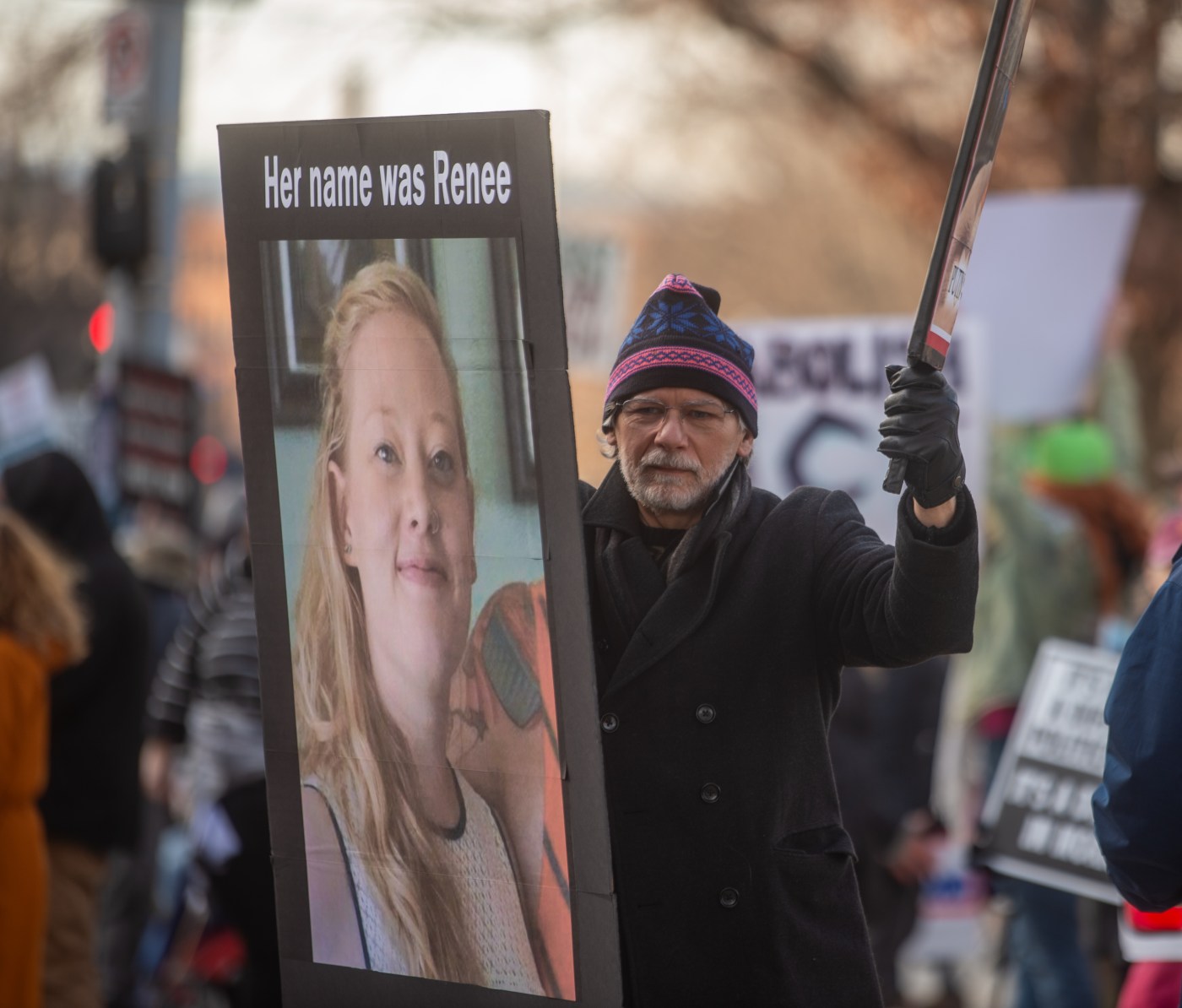
We are confronted by an administration that is contemptuous of the Bill of Rights and engaged in unlawful acts of violence against us. The killings of Renee Good and Alex Pretti in Minneapolis were the culmination of a year in which the administration has escalated its attacks on Americans’ fundamental liberties.
What began with the unconstitutional targeting of law firms, universities, and non-partisan civil servants has advanced to ICE’s shocking and deadly street-level assaults. All the while, the administration has pursued an opaque, extra-judicial policy of mass removal that has resulted in the disappearance of thousands of people, including children, without due process.
CT House Speaker chastises rep over ICE message: ‘Don’t turn this place into a circus’
Throughout the past year, I have represented people who have been targeted and even imprisoned by this administration. We have fought back in court. The sobering reality, however, is that the legal challenges to the administration’s abuses have been necessary, but not sufficient to secure our freedoms. To do that, we must exercise our rights openly, fearlessly, and with full awareness of our constitutional protections. In the words of Thomas Paine, this is Common Sense.
Your right to be present in public spaces
You have a fundamental right to be present on public sidewalks, in parks, and in other public areas. ICE agents cannot lawfully remove you from public property or order you to disperse unless you are obstructing their operations, interfering with an arrest in progress, or violating other applicable laws. Standing peacefully, even near an ICE operation, is constitutionally protected activity.
Your right to observe and record
The First Amendment protects your right to observe and record law enforcement officers, including ICE agents, when they are performing their duties in public spaces. You may use your cell phone or other recording device to document ICE operations, provided that you:
- Maintain a reasonable distance that does not physically interfere with officers’ actions
- Do not obstruct officers in the performance of their duties
- Remain on public property or property where you have permission to be
Officers may not lawfully confiscate your phone or demand that you delete footage solely because you recorded their activities. If an officer orders you to stop recording, you may respectfully ask whether you are being detained and on what legal basis the order is given.
Your right to communicate and warn others
The First Amendment also protects your right to communicate with others about the presence of ICE agents in our community. You may:
- Alert neighbors, friends, or community members that ICE agents are conducting operations in an area
- Share information on social media or through community alert systems
- Post signs or warnings on your own property
However, you may not physically interfere with an arrest in progress, encourage others to do so, or facilitate another’s flight from arrest as this may constitute obstruction of justice.
Your right to remain silent
You have the constitutional right to remain silent when questioned by any law enforcement officer, including ICE agents. You are not required to answer questions about your immigration status, country of origin, or how you entered the United States. You may clearly state: “I am exercising my right to remain silent and do not wish to answer questions.”
Identification requirements
In your home: You are not required to open your door to ICE agents unless they present a judicial warrant signed by a judge. An administrative warrant (Form I-200 or I-205) signed only by an ICE official does not grant authority to enter your home without your consent. You may ask agents to slide the warrant under the door or hold it up to a window for inspection. If you do not see a judge’s signature, you are within your rights to refuse entry.
On public sidewalks or in public spaces: Connecticut law does not require you to carry or present identification documents unless you are operating a motor vehicle. While ICE agents may ask for identification, you generally have no legal obligation to provide it in public spaces.
During a traffic stop: If you are driving, you must present a valid driver’s license and vehicle registration. However, you retain your right to remain silent regarding other questions.
Respectful but firm assertion of rights
You have every right to assert these constitutional protections firmly while remaining calm and respectful. You need not be rude or confrontational, but you also need not surrender rights out of fear or intimidation.
If you are detained
If ICE agents detain you, you may clearly state that you wish to exercise your right to remain silent and your right to speak with an attorney. You are not required to sign any documents without consulting with a lawyer first. You have the right to make a phone call.
I encourage you to share this information with family members, neighbors, and others in our community.
I am a former federal prosecutor. I support the vigorous and professional enforcement of our laws, which, at all times, must be bound by the Constitution. This administration has sent masked, untrained, and belligerent agents into our streets and homes. Their abuses have taken lives, traumatized communities, and undermined the work and reputations of local, state, and federal law enforcement officers who continue to be guided by their oaths. This has been affront to the Bill of Rights and it must stop.
Our Bill of Rights is not a lifeless relic. It is the armor of an informed, virtuous, and courageous citizenry. Now is the time to use it.
Christopher M. Mattei, a former federal prosecutor, is with Koskoff Koskoff & Bieder PC.