
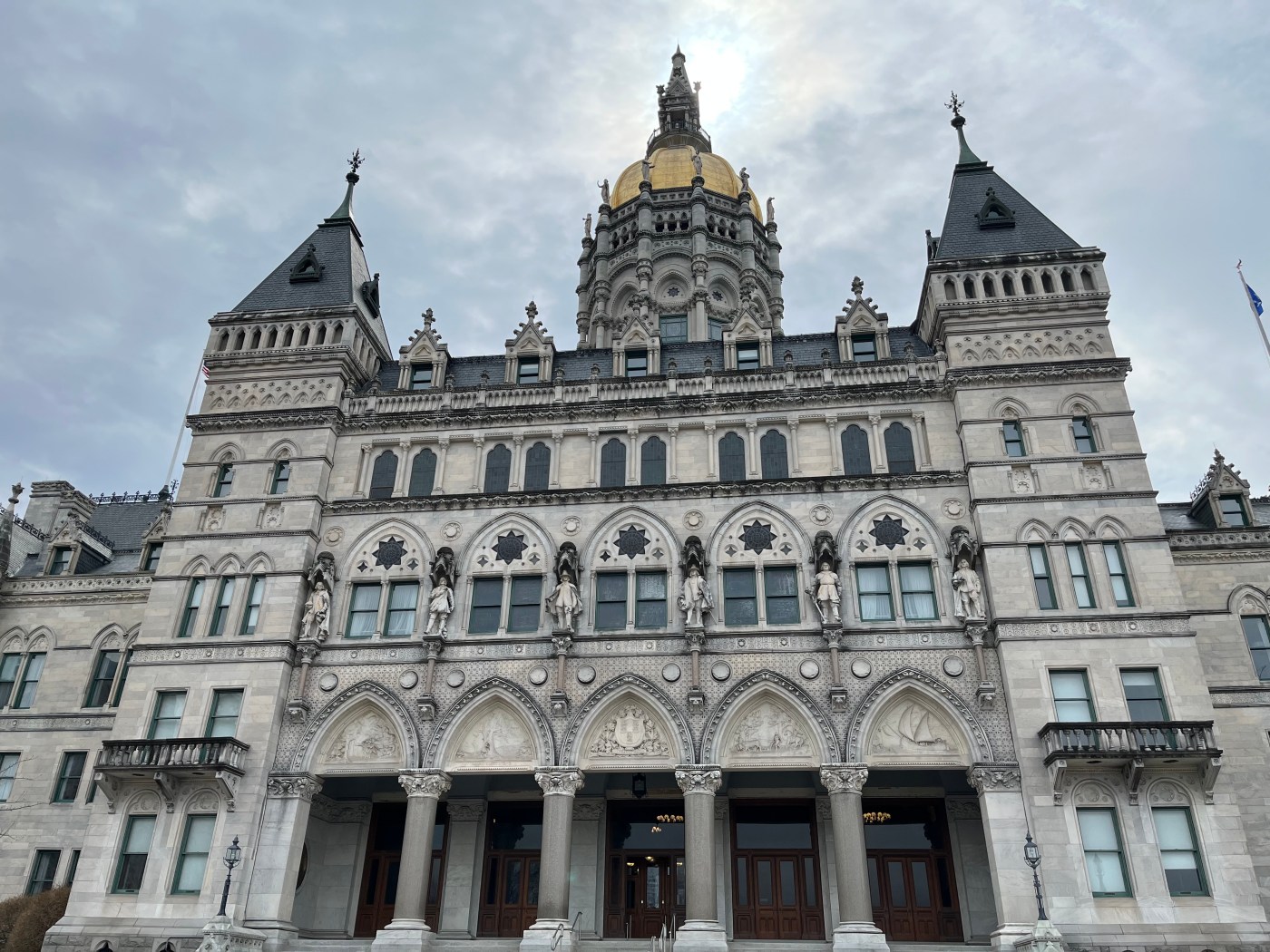
As Connecticut’s 2026 legislative session begins, policymakers face a defining choice: will they preserve the discipline that has stabilized our state, or drift back toward the habits that once pushed Connecticut to the brink?
The answer matters to every family balancing a household budget, every employer weighing the cost of investing here, and every young person asking whether Connecticut offers a future worth building.
At a minimum, legislators must honestly assess every proposal through a simple lens: will it make Connecticut more affordable, livable, and workable for the people who call our state home?
Good intentions alone won’t suffice. If affordability is today’s most pressing challenge, lawmakers must not confuse volume with wisdom, and instead confront the policies that continue to drive high costs and limit opportunity.
Connecticut still bears some of the highest taxes and most burdensome regulations in the nation. Many residents feel squeezed by rising expenses and question whether government is operating as efficiently and transparently as it should.
Fortunately, the state already has a sturdy foundation to build on. The bipartisan fiscal guardrails have imposed spending discipline, reduced pension debt, enabled the largest income tax cut in state history, and restored confidence in Connecticut’s financial footing.
But fiscal stability is never self-sustaining; it requires vigilance.
Lawmakers should strengthen the spending and volatility caps by limiting off budget workarounds and ensuring that one-time surpluses are used responsibly. Establishing a Pension Acceleration Trust, for example, would direct surplus funds toward permanently reducing pension debt — lowering future obligations and freeing up resources for core priorities.
Put simply, we cannot trade tomorrow’s security for today’s convenience.
Affordability also depends on respecting local governance. Connecticut’s municipalities vary widely in fiscal capacity, infrastructure, and community character. Yet too often, statewide mandates shift costs onto local governments without providing the flexibility or resources necessary to meet them.
Reducing unfunded mandates and preserving home rule empowers communities to respond to local needs while remaining accountable to taxpayers. It’s fiscally responsible and consistent with Connecticut’s longstanding tradition of local decision-making.
CT Gov. Lamont to propose one-time rebate for CT residents. Here’s how much and why
Energy is another pressure point. Many households are struggling under the weight of high utility bills, and policymakers should closely examine every factor contributing to those costs.
One significant driver is the Public Benefits Charge — a state-imposed fee that funds various energy programs. These charges deserve regular legislative review and clear sunset provisions to ensure they deliver measurable value. When policy-driven costs quietly accumulate, families end up paying the price.
CT Republican calls for 20% cut to electric rates: ‘Utility bills not a piggy bank for politicians’
Scrutiny is not opposition; it is responsible governance.
Opportunity also begins with education. Despite substantial investment, outcomes remain uneven, and access to alternatives is often constrained by income. Connecticut can expand educational options by opting into federal scholarship tax credits, which leverage private donations and federal incentives without reducing state education funding.
Failing to use tools that broaden opportunity without increasing state spending isn’t just a misjudged policy choice; it’s a missed opportunity — a tragic one — for students and families seeking the learning environment that best fits their needs.
Long-term fiscal sustainability also requires careful attention to labor agreements. With the State Employees Bargaining Agent Coalition, or SEBAC, agreement set to expire in 2027, decisions made now will shape budget obligations for decades.
A small number of practices drive a disproportionate share of long-term costs. Increasing transparency around overtime, requiring clearer reporting on how bargaining provisions affect pension and retiree health liabilities, and strengthening workforce accountability can support fair collective bargaining while protecting taxpayers and public services.
These ideas aren’t anti-worker. They are pro-sustainability — ensuring commitments made today remain affordable tomorrow.
Healthcare access, too, calls for thoughtful modernization. Reforming Certificate of Need regulations through a phased approach — beginning with lower-risk services — can expand capacity, reduce wait times, and encourage investment while maintaining strong patient protections.
A common thread unites all these issues: government must operate transparently, with discipline, and with a focus on long-term success rather than short-term political gain.
Connecticut has demonstrated that responsible fiscal management is possible. The challenge now is resisting the temptation to abandon those principles just as they are proving their worth.
When costs rise unchecked, families reconsider staying. When opportunity narrows, businesses hesitate to invest. When fiscal discipline erodes, the burden falls on the very people government is meant to serve.
But there is another path — one defined by stability, accountability, and opportunity.
The tools are already in place. The question is whether we will use them.
Carol Platt Liebau is the president of Yankee Institute.