
Sometimes the seemingly smallest detail can provide answers.
That is the tough reality Chris and Debby Carroll believe they have learned in the mysterious death of their teen daughter 24 years ago at Yale New Haven Hospital.
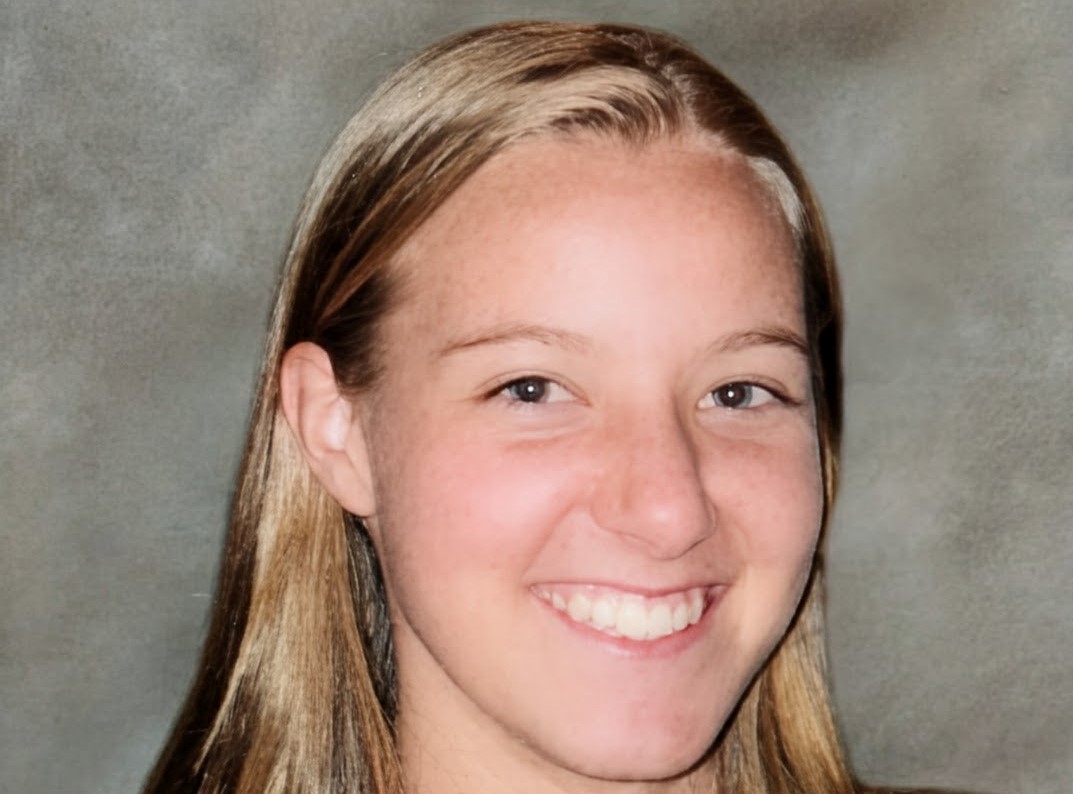
Kylene Carroll’s death at age 16 gripped the state, haunted Kylene’s family, and rocked their close-knit Milford community.
How could a deadly lung infection come out of seemingly nowhere take down a perfectly healthy, three-sport varsity athlete?
“There was no reason for her to get sick,” Chris Carroll said.
Her cause of death is officially listed as interstitial pneumonia, but with new information all these years later, including an expert examination of Kylene’s lung tissue, the Carrolls said they believe it was an antibiotic medication that made her ill, which then led to her death.
The Carrolls also allege Yale New Haven Hospital made a critica procedural error at admittance in failing to convey key information from her late pediatrician’s admittance letter.
That information relates to an acne medication, Bactrim, that the Carrolls’ believe made Kylene gravely ill in the first place, but the allegedly hospital missed it.
Her pediatrician’s hospital admittance letter clearly states in the second paragraph that when Kylene became ill, “she had been on Bactrim DS from her dermatologist.”
It never made it into the file because of an alleged procedural error by the hospital, Kylene’s dad said in a complaint filed this week with the state Department of Health.
Days into her 10-day hospitalization, as her condition worsened, doctors actually allegedly then gave her that same medication, Bactrim, to treat her flu-like illness, according to the complaint..
Kylene was dead 36 hours after she was given the Bactrim.
“It remains numbing to have these feelings of loss all over again knowing how preventable, how tragic this all was,” the Carrolls wrote, in an email to the Courant. “Sadly, incredible to realize this 23 years later that nine days into her treatment doctors at Yale New Haven administered Bactrim to Kylene, the very drug that we now know killed her because they didn’t know she was on the drug when she became ill.”
A Yale New Haven Hospital spokeswoman declined comment on the 24-year-old case, writing in an email, “We cannot comment because of privacy policies.”
This week, with the new information, the Carrolls’ filed the complaint with the state Department of Health, requesting they investigate the case.
The Carrolls provided the information and wrote, “We want to make it perfectly clear that we know Kylene received compassionate care from the many Yale staff, professionals and students who saw and treated her.” They wrote that “every individual personally took great interest in Kylene’s case” and were upset at her passing.
“However it is perfectly clear to the family — tragically so — that Kylene’s course of treatment was improperly conducted given the facts as we stated them above,” the Carrolls wrote in their report to the agency.
Kylene was the fourth born of five children. Chris Carroll said Kylene had a “smile for everyone,” so much so that the kids at school teasingly called her, “Mary Sunshine.”
“She wore her emotions on her sleeve,” he said of Kylene. She was a junior at Foran High School when she died.

In all these years, according to hospital medical records, it appears no theories have gone untested in the laboratory as to what made Kylene so severely ill.
The revelations came in after a Washington Post article appeared in summer of 2024 that caught Chris Carroll’s eye.
The article was about DRESS Syndrome, a rare complication that causes a deadly or sometimes debilitating reaction to drugs for acne, seizures and gout. DRESS stands for Drug Reaction with Eosinophilia and Systemic Symptoms.
The Washington Post had a feature story about a parent-driven organization, DRESS Syndrome Foundation, which works to raise awareness and funds to help families. The founding parents both lost daughters whose acne had been treated with Bactrim.
Kylene had been taking Bactrim for acne when her flu-like symptoms hit — a high fever headache, severe nausea, labored breathing and sternum pain — leading to her hospitalization.
The Carrolls now believe with new information they have, including about her lungs post-mortem, that Bactrim made her sick in the first place, which then led to her death.
The ball was allegedly dropped by those treating Kylene at Yale New Haven Hospital, the Carrolls said, because the information of her Bactrim usage at the time she got sick was not properly stated in the chart. Chris Carroll calls it a procedural error.
The letter from Fugal was not in her three-inch thick medical file, Carroll said, although there was in the medical chart a general reference to her having been on Bactrim.
Back when Kylene’s death first occurred, before the new information, the Carrolls had a lawyer look at the case and no wrongdoing on Yale’s part was found.
There wasn’t as much known then as there is now about serious health reactions to Bactrim in some people.
The statute of limitations passed and so there was no lawsuit and it can’t be revived now even with new information, Chris Carroll said.
Hence, the Carrolls’ complaint to the state’s Department of Health.
Maura Fitzgerald, DPH spokesperson, said the agency “is legally prohibited from discussing complaints filed against a healthcare provider or facility, including confirming or denying the existence of such investigation. In general, DPH assigns professional staff to review each complaint received to determine how the department will proceed.”
Chris Carroll, a former journalist who now works for the town of Stratford, contacted the DRESS group and was put in touch with Dr. Jenna Miller at Children’s Mercy Hospital, Kansas City, a pediatric ICU doctor and trailblazing researcher in the area of lung failure and Extracorporeal Membrane Oxygenation or ECMO, a life support system that acts as heart and lungs.
She spoke to the Courant about Kylene’s case with the written consent of the Carrolls, but declined to comment on any medical institutions.
She tested and examined Kylene’s tissue, concluding Kylene’s lung tissue “appeared similar to others with Bactrim-associated lung failure,” Miller told the Courant.
She wrote to the Carrolls: “The pathology confirms our clinical diagnosis that Kylene unfortunately suffered from Bactrim induced lung failure. We will also report her case to the FDA and she will be anonymously included in future scientific reports. We hope this brings you some answers after all this time.”
Miller told the Courant what Kylene encountered could be characterized as “an inverse drug reaction.”
“We don’t understand the reason why this happened,” Miller told the Courant. “Maybe a toxic metabolite.”
The condition is rare, but “under-recognized,” Miller said, noting 36 patients with the same condition have been identified. Miller said 22 percent, or a quarter of them, die when encountering the problem. Of those who survive, some will need lung transplants or ECMO, she said.
Miller said Kylene’s condition doesn’t come under DRESS, but is similar. She said it’s important for the condition to be brought to light as the Carrolls are trying to do because the more people who know about, doctors and patients, the better.
“That’s the challenge of rare disease: everyone knowing,” Miller said.
Miller said Bactrim-induced lung failure was first reported in 2018 and was not universally taught in medical school. Other experts say cases of severe reactions had been recognized, but not widely known before then.
Miller said the American Academy of Dermatology now steers dermatologists away from prescribing the antibiotic to treat acne and FDA has added warnings of the possibility of lung failure.
Carroll provided to the Courant email communication from May of 2025 with the doctor who treated Kylene when he was seeking Kylene’s pathology slides. Carroll provided the Courant with emails, but asked that the doctor’s name not be reported.
The doctor indicated in the email that the Bactrim had been discontinued before she became ill, so it is, “difficult to establish any temporal relationship.”
But they allegedly would have seen that wasn’t true with the proper information provided by Fugal, Chris Carroll said.
At some point, the Carroll’s ask how, “one of the most highly esteemed medical institutions in the world,” allegedly failed to properly record important upon admittance.