
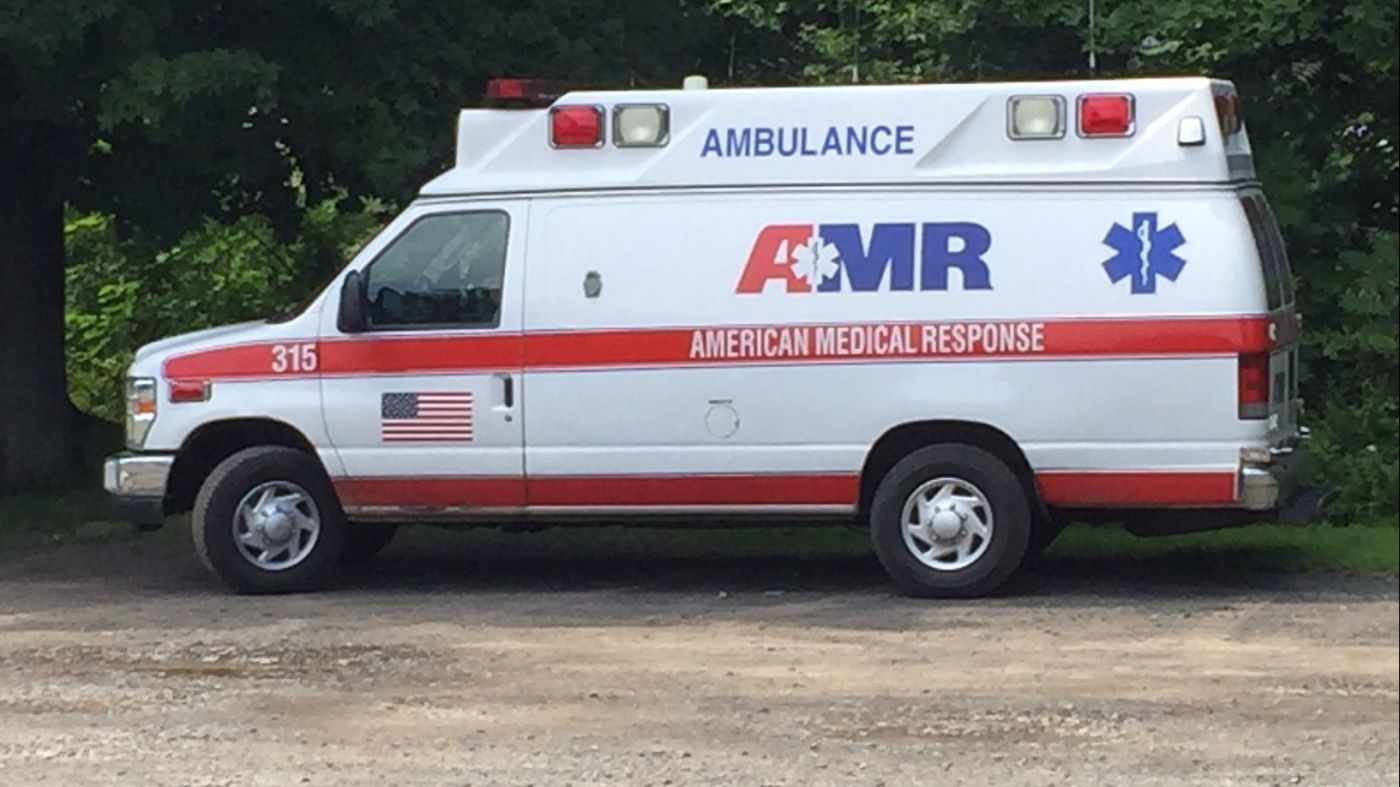
Stress, cold weather, and festive indulgence make the holiday season the most dangerous time of year for heart emergencies, according to American Medical Response.
The emergency medical service provider said it found cardiac emergencies rise by more than 30% on Christmas Eve, which makes it their busiest day of the year for heart-related incidents. This trend aligns with national data from the American Heart Association showing the majority of cardiac deaths in the U.S. occur during the last week of December, according to a statement.
“Throughout the holidays, we often see people ignore warning signs of heart trouble because they don’t want to disrupt family celebrations,” said Global Medical Response Chief Medical Officer Dr. Ed Racht. “But whether it’s chest pain, a racing heartbeat, or a sudden collapse, these symptoms could signal a heart attack, dangerous arrhythmia, or even cardiac arrest. Time is critical in these emergencies. If you notice any of these signs in yourself or a loved one, don’t wait—call 911 right away.”
Cardiac risk rises this time of year due to several well-documented factors, according to AMR:
- Overeating and high-salt meals that raise blood pressure
- Increased alcohol consumption, which can strain the heart and trigger arrhythmias
- Emotional stress from travel and family dynamics
- Cold temperatures that make the heart work harder
- Delays in seeking medical care because people are traveling or don’t want to leave gatherings
Cardiac arrest happens when the heart unexpectedly stops, interrupting blood flow to the brain and other crucial organs, according to a statement. It usually strikes without any warning, causing people to collapse suddenly. This is a serious medical emergency that demands immediate attention. If it happens, call 911, start CPR, and use an AED if available until help arrives, AMR said.
Early CPR and AED use can significantly improve survival, according to a statement, and many communities offer accessible training programs. Learning CPR is one of the most impactful ways families can prepare for a cardiac emergency.
Heart attack warning signs not to ignore
Heart attacks happen when blood flow to part of the heart is blocked. The heart usually keeps beating, though it may be weak or irregular. Racht added, “The priority is to call emergency services immediately, and keep the person as calm as possible.”
- Chest pain, pressure, tightness, or discomfort
- Pain radiating to the arms, jaw, neck, or back
- Sudden shortness of breath
- Lightheadedness, fainting, or sudden confusion
- Cold sweats, nausea, or vomiting
- A new or worsening irregular or racing heartbeat
- Heartburn or indigestion.
Nearly 1 in 4 heart attacks go unrecognized, especially in women, because the symptoms can be subtle — such as nausea, indigestion, fatigue, or shoulder aches — rather than the classic chest pain most people experience, according to a statement. “If you’re questioning whether to call 911, that’s often your answer,” said Racht.
When someone calls 911 for a suspected cardiac emergency, EMS clinicians can begin life-saving care within minutes. Depending on local protocols, crews may:
- Perform a 12-lead ECG to quickly identify a heart attack
- Start IV access and administer cardiac medications
- Provide oxygen therapy
- Treat dangerous heart rhythms
- Notify the hospital ahead of arrival so the cardiac team is activated
“Rapid treatment significantly improves survival,” said Racht. “Driving yourself or waiting to see if symptoms improve can delay critical care.”
How to reduce cardiac risk this holiday season
- Keep meals and alcohol in moderation
- Stay hydrated
- Continue taking medications as prescribed
- Avoid sudden heavy exertion in cold weather
- Get enough rest amid holiday stress
- Check in on older relatives or loved ones with heart disease
“As the saying goes, ‘Laughter is the best medicine,’” Racht said, and this season, it truly is. Laughter relaxes and expands blood vessels, increasing blood flow by up to 20%. By embracing happiness and shared moments of joy, we support our heart health and strengthen our bonds. Racht reminds us “Make laughter a priority, and if something doesn’t feel right, always listen to your body and get help when needed. Together, let’s make these festivities both joyful and heart healthy.”