
Every month, my parents open their electric bill and brace themselves for how much it will cost them this time.
For families across Connecticut, that feeling of anxiety, frustration, and having to accept the inevitable is becoming a harsh reality. Our monthly electric bills no longer feel like an affordable expense. They feel like unpredictable hits to bank accounts, with a lack of logic and even less accountability from our leaders.
One of the most frustrating sections on monthly electric bills is the Public Benefits Charge. It has become an example of how disconnected state policy is from the financial challenges that working people face on a day-to-day basis. It’s time for it to be eliminated.
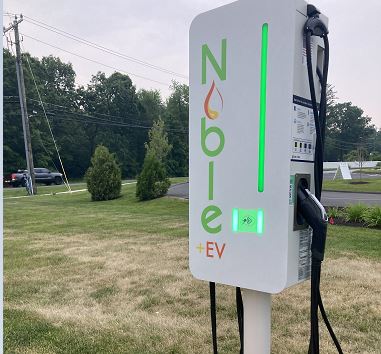
Connecticut citizens should not have to provide funding for a variety of programs, especially ones that will never benefit many homes. Many families in Connecticut, including my own, do not own electric cars, yet we’re still required to fund charging stations through our electric bills. Drivers of electric vehicles are not billed to maintain gas stations. Why is it fair that gas-powered car owners have to pay for electric vehicle charging stations?
It is a reasonable policy decision for Connecticut to encourage the transition towards cleaner transportation. But the cost of that option needs to be addressed and funded in an open way through the state budget, not with a fee that harms people who have no say in whether or not they participate.
Even advocates for strong electric vehicle goals have acknowledged that the power system is not ready to handle the amount of power needed by a sudden and forced shift. Putting in more charging stations is overlooking the current reality at a time when our grid is under pressure due to high demand.
Connecticut’s General Assembly and Gov. Ned Lamont must act now. In a time of need, they funded SNAP benefits using money from the state surplus. They have shown their ability to make tough decisions when families are under stress. They can repeat this process by getting rid of the Public Benefits Charge and replacing it with an available and responsible source of funding.
The timing is important. An election year is coming, and a legislative session is right around the corner. Residents are watching our leaders to see if they understand what it’s like to open a bill and worry if their other expenses will have to wait. For some families, it means putting groceries back at the checkout. For others, it means delaying a repair on a car. For seniors, it can mean keeping the heat low on freezing nights just to keep the lights on .These are not hypotheticals, they are everyday choices that people are being forced to make.
Those opposed to eliminating the Public Benefits Charge feel that it will put environmental goals at risk. However, Connecticut doesn’t lack the resources, just the willingness to change how those resources are distributed. These projects could easily be funded with a small amount from the surplus, which will save residents from having to pay for projects that they don’t support or use. People simply want fairness, honesty, and openness. If the state is in support of a policy, it needs to support it through open discussion, and the budget.
It’s time for our state’s leaders to acknowledge what residents already understand. The system Connecticut uses to fund these programs is wrong. The Public Benefits Charge is becoming a burden rather than a benefit, and people who are the least able to pay for it face the greatest burden of its expenses.
Each month, when that bill arrives, my family feels the cost of inaction. Lawmakers now have a choice. They can ease the burden and rebuild trust between the state and the people, or they can leave voters to find leaders who will.
Liam McCusker is a freshman at Central Connecticut State University majoring in broadcast sequence journalism