
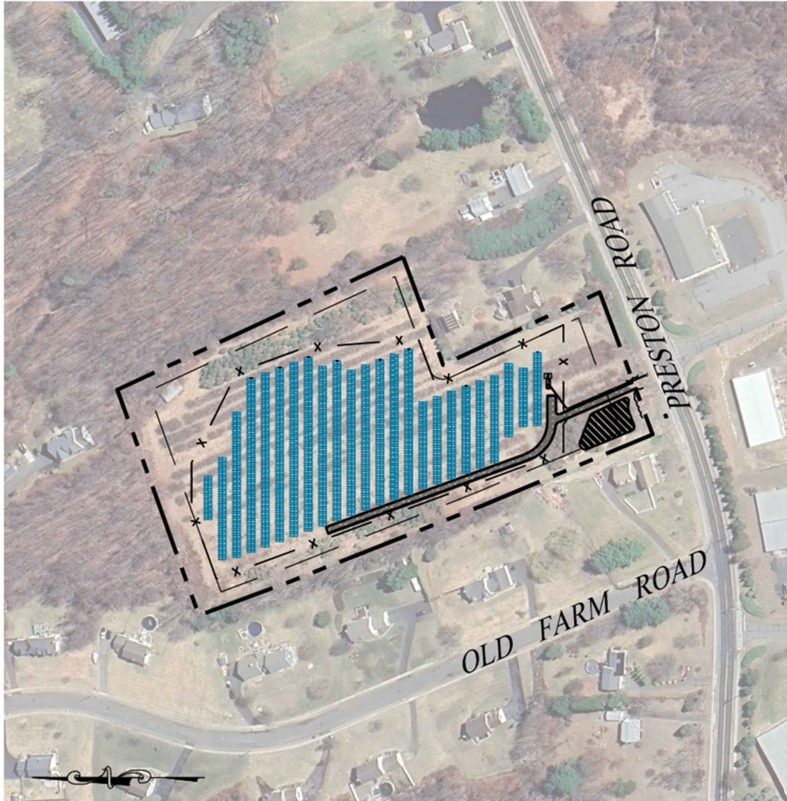
Saying their property values are threatened, a group of homeowners in northern Plymouth is asking the state to block Verogy from building a nearly 1-megawatt solar farm on an unused apple orchard.
Neighbors contend that covering part of the 5-acre property with solar panels would ruin the appearance of the area and potentially undermine the value of their homes.
State environmental officials this month reported that the project doesn’t appear to threaten either wetlands or wildlife, but acknowledged it could create “visual impacts” and “noise impacts” for nearby homeowners.
Residents who launched an online petition against the project were markedly more blunt.
“We are deeply concerned about the potential impacts on our homes and livelihoods,” the petition states. “The location would eradicate Tonns farm and we worry about the reduction in property values, the changes to the landscape, the impact of the surrounding homes burning if there was to be a fire, and the impact on local wildlife.”

But Terryville Solar One, a unit of Verogy, argues that its plan would benefit the entire state.
“The project will assist the state of Connecticut in reducing greenhouse gas emissions and reducing criteria air emissions pollutants associated with the displacement of older, less efficient, fossil fuel generation,” it said in a memo to the state regulators.
A new solar farm at 270 Preston Road would provide “clean, renewable, solar-powered electricity” and help Connecticut meet its goals for increasing renewable energy sources, the company said.
In addition, it would advance the town’s goal of employing alternatives to further residential development that’s permitted in R-40 zones, Verogy said. That was part of the 2015 long-term plan of development, but more recently Plymouth has been expressing concern about the possible spread of solar farms. Last month it adopted a one-year moratorium on new large-scale solar arrays.
In their change.org online petition opposing the proposal, neighboring property owners leaned heavily into the argument that large fields of solar panels don’t belong in rural areas.
“The charm of our community lies in its pristine natural setting, which could be irrevocably altered by the influx of industrial-scale solar panels,” they wrote.
This week, state Sen. Henri Martin sent a letter of opposition to the Siting Council, agreeing that Verogy has picked the wrong site.
“I am a supporter of renewable energy projects, but this proposal raises multiple concerns,” he wrote. “It would be built in an established residential neighborhood. It would also increase stormwater runoff and negatively impact downstream properties. These factors would negatively impact the quality of life for Plymouth residents as well as their safety.”
Residents have said they’re concerned that if the facility had a fire, there wouldn’t be sufficient nearby water sources for fighting it.
Verogy is asking the state Siting Council to allow it to go ahead with its proposal without a public hearing, arguing that the plan raises no environmental, health or public safety threat. Its request listed a lengthy series of changes it made to its original plan after getting pushback from residents; the company ultimately withdrew its local zoning application after resistance continued despite a series of revisions and concessions.
The Siting Council will decide the matter before late spring, and has extended its deadline for accepting public comment until Jan. 2.