
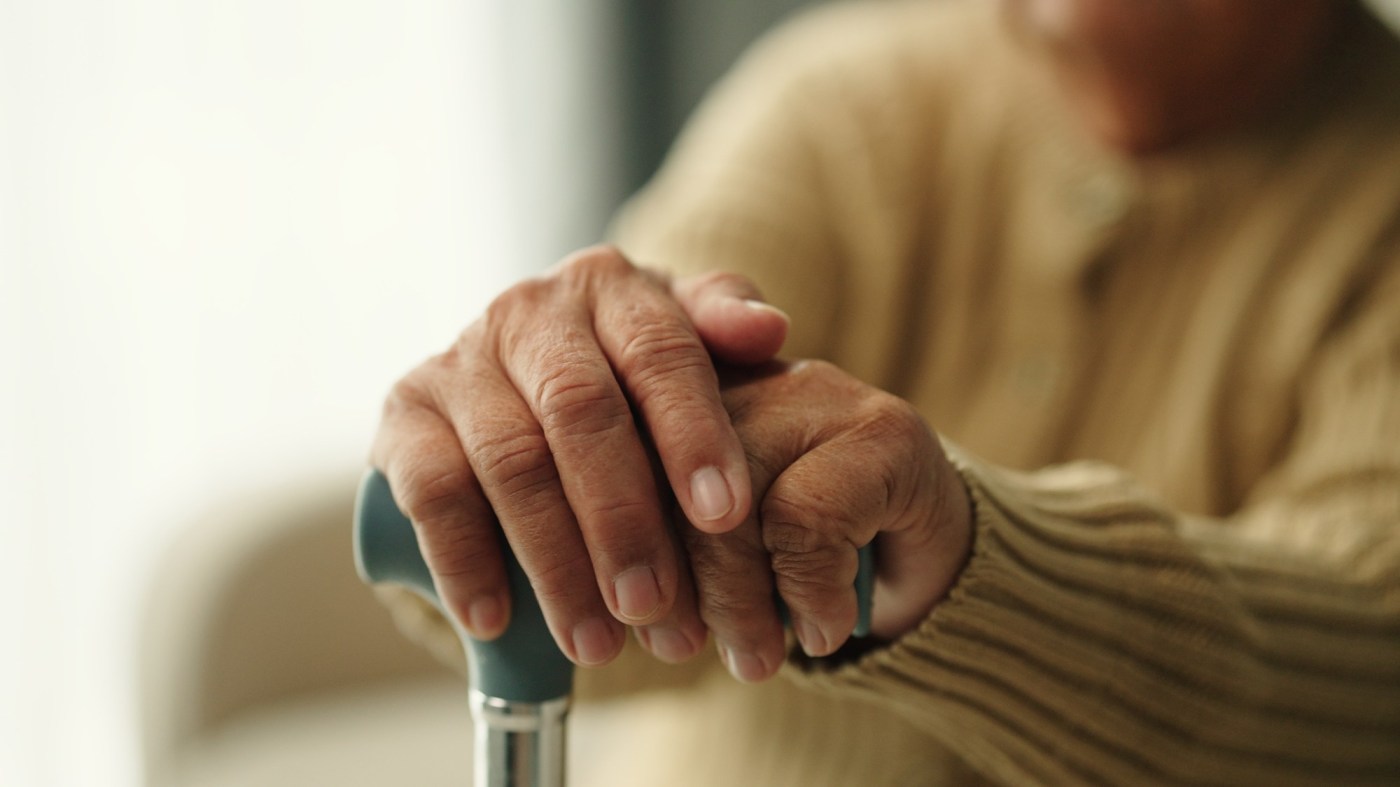
There is currently no cure for dementia, which afflicts an estimated 57 million people globally, and affects hundreds of millions more who are the family, friends, and caretakers of people with dementia. Recent research, however, offers a new approach that could greatly reduce the impact of this feared unwinding of the human mind.
To date, the emphasis has largely been on finding a medication or other treatment that would cure dementia, or at least slow or halt its disabling progress. Despite accumulating a considerable body of research about the physiological processes involved, the search for an effective treatment has been more a story of futility than finality. One after another, candidate medications have raised and then dashed hopes.
It is time to deploy a different approach. I lead an international research consortium whose work has revealed that at least 45 percent of all dementia cases are linked to modifiable lifestyle and environmental factors. This is a huge number, and it represents a substantial opportunity. If we can postpone the onset of dementia by just five years, we can decrease the disease’s prevalence by about 50 percent and make a major impact on a persistent barrier to aging well.
Dementia is largely a disease of aging. The increasing prevalence of dementia in recent decades largely reflects an increase in lifespan resulting from better health care and better nutrition. One of the sad ironies in global health is that as under-resourced countries are making gains economically they are enabling more of their people to live longer—and thus be more likely to have dementia.
The goal is to live both longer and better. Through extensive research, we have demonstrated that implementing lifestyle interventions and promoting early diagnosis and treatment can forestall cognitive impairment and dementia. Collaborative global research has identified five key areas—diet, physical activity, cognitive stimulation, social activities, and monitoring of risk factors related to cardiovascular disorders—that do make a difference in delaying the onset of dementia.
This is a major strategic change in how we think about dementia. Wellness and prevention should be the priorities. This would mirror an emerging strategic shift in the public health community as we seek to prevent or postpone the onset of diseases rather than just treat their consequences. We are also gaining many new tools for detecting decades in advance who is at the greatest risk of developing dementia later in life.
We know what needs to be done, and now we’re identifying how best to do it. At the Yale School of Nursing’s Center for Aging Well and at other research centers around the world, discovery, innovation, and collaboration are enabling researchers to understand the optimal approaches in each of the five key areas. They are making important progress in melding the highest levels of evidence-based research, clinical practice, and community engagement and participation.
What we are pursuing is a new paradigm in dementia care—one in which wellness and prevention are the priorities. There is importance and urgency about pursuing this change in viewpoint. Recent estimates place the cost of dementia in just the U.S. at $781 billion. Yet as large as that cost is, the cost in human terms is immeasurably greater.
We have entered an era of precision medicine, and by extension, precision prevention. We are ready to move from generalities such as “eat healthy food” to combining our knowledge of genetics, biomarkers, biology/physiology, and other fields to define what the optimal dementia-prevention strategy is for each individual.
It’s highly unlikely that we will discover a magic bullet to completely prevent the onset of dementia, or provide a cure. Alzheimer’s Disease, by far the most prevalent of the dementias, is a complex and multifactorial disorder that, like cancer, is most effectively combatted using combination therapies.
We must invest resources in what works now, while continuing to seek new options for treatment.
In doing so, we can significantly reduce dementia’s toll on individuals, caregivers and our entire society.
Dr. Miia Kivipelto, MD, PhD, is the Rodman Family endowed professor of gerontology at Yale School of Nursing, director of the School’s Center for Aging Well and professor of geriatric medicine at Yale School of Medicine.