
CDC Committee Reconsiders Hepatitis B Vaccine Policy
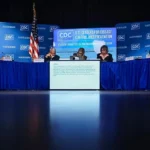
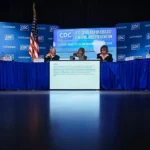
A group of experts that advises the Centers for Disease Control and Prevention (CDC) on vaccines has made a surprising recommendation regarding the hepatitis B vaccine for newborns. The Advisory Committee on Immunization Practices (ACIP) voted 8-3 to shift away from a blanket recommendation that all babies receive their first dose of the vaccine within 24 hours of birth.
Instead, the committee suggests a more personalized approach. For babies who test negative for hepatitis B, the decision to vaccinate at birth should be made on a case-by-case basis, in consultation with parents. The committee stressed that newborns born to mothers who have hepatitis B should still be vaccinated at birth.
This change in perspective is driven by new appointments to the panel. Robert F. Kennedy Jr., the Health and Human Services (HHS) Secretary, selected the panel, and he has been openly critical of aspects of the standard childhood vaccine schedule. The vote does not automatically change policy, needing approval from the CDC leadership or HHS. Insurance coverage for the vaccine is also not immediately affected.
The committee suggests parents who opt out of the birth dose should wait until the baby is at least two months old to begin vaccination. They also encourage parents to talk to their doctors about antibody testing during the three-dose vaccine series.
This proposal sparked debate within the committee, with some members raising concerns about potential risks. Some experts worry that weakening the universal recommendation could lead to lower vaccination rates and a resurgence of hepatitis B, a serious liver infection.
Hillary Blackburn, a panel member, stated that the new language would offer access and coverage at any time. Cody Meissner, another panel member, strongly opposed the change, arguing that it may be harmful, said that they are doing harm by changing this wording.
Meissner also pointed out that the decline in hepatitis B cases is a direct result of the vaccine’s effectiveness. He explained that since the three-dose regimen was introduced in 1991, infections among children and teens have significantly decreased.
Another panel member, Joe Hibbeln, warned of the potential for harm and urged the committee to accept responsibility if the change leads to negative consequences. Meissner emphasized that reducing the frequency or altering the schedule for vaccine administration could cause hepatitis B infections to reappear.
Even some Republicans have voiced concern about the panel’s decision. Senator Bill Cassidy (R-La.), a doctor specializing in liver diseases, publicly criticized the recommendation on social media, calling for the CDC acting director to reject it. He said the hepatitis B vaccine is safe and effective and that the birth dose is a recommendation, not a mandate.
It’s important to note that the hepatitis B vaccines currently used in the United States are traditional vaccines that do not use mRNA technology, unlike some COVID-19 vaccines. The vaccines in question utilize recombinant protein subunit vaccines, considered traditional/non-live vaccines.
The post Choices Emerge: Personal Paths Ahead first appeared on Voxtrend News.