
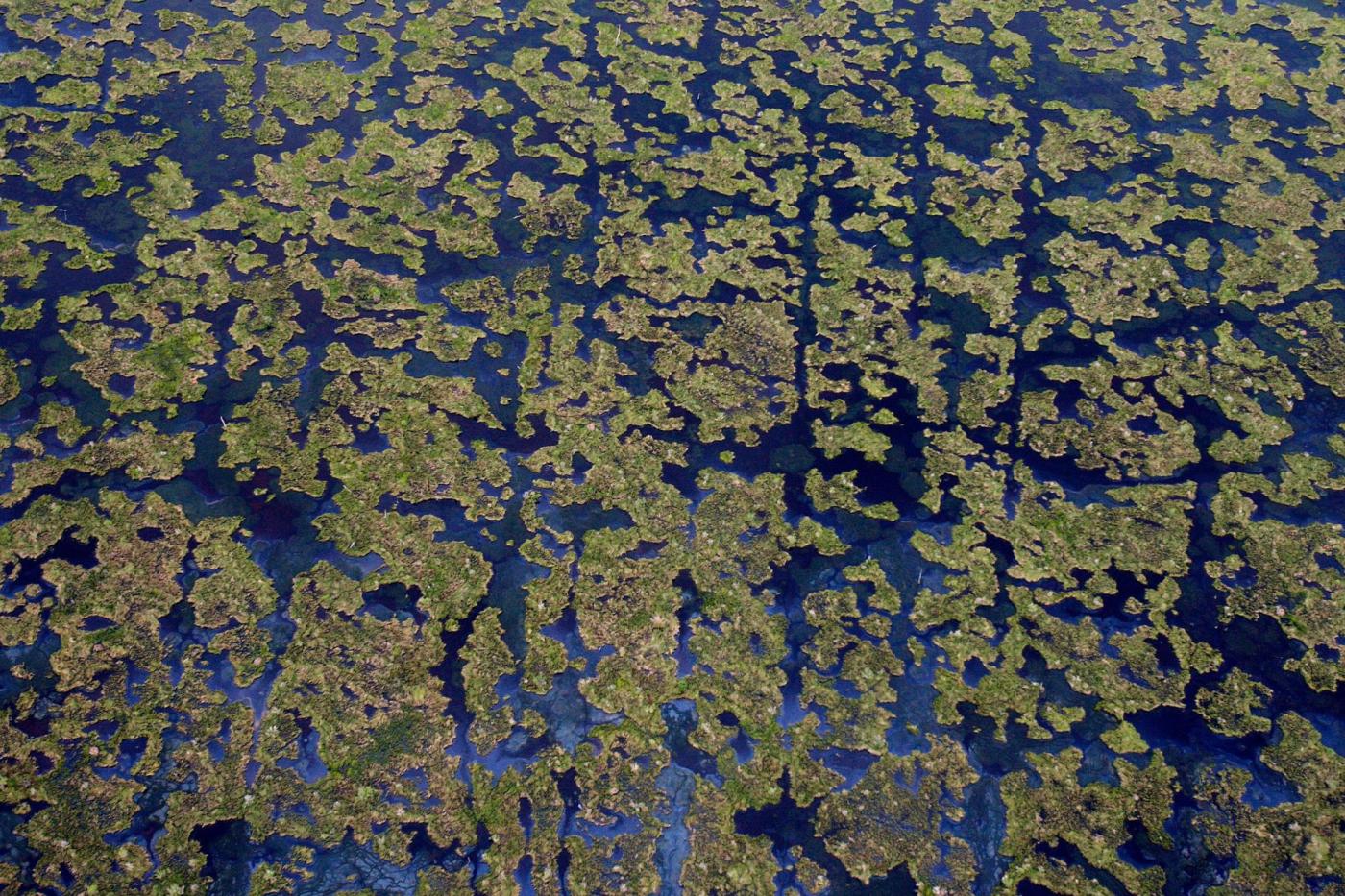
A new proposal by the Environmental Protection Agency could leave miles of wetlands in Connecticut more vulnerable to development and pollution, according to environmental advocates.
The EPA and the Department of the Army recently announced that they have signed a proposal to “revise the definition of the waters of the United States” which would narrow the scope of waters protected under the Clean Water Act, officials said. The Clean Water Act was signed into law in 1972 to provide protections for waterways, wetlands, marshes and streams.
The proposal comes after the 2023 U.S. Supreme Court decision Sackett v. EPA that found protections do not apply to wetlands and streams unlike traditional navigable waters under the Clean Water Act. The issue has long been controversial, as developers, farmers and others have long sought to narrow the scope of protected waterways for decades, arguing that it is too restrictive, according to the ruling.
“No longer should America’s landowners be forced to spend precious money hiring an attorney or consultant just to tell them whether a water of the United States is on their property,” said EPA administrator Lee Zeldin in a press release. “The EPA is delivering on President Trump’s promise to finalize a revised definition for WOTUS that protects the nation’s navigable waters from pollution, advances cooperative federalism by empowering states and will result in economic growth across the country.”
The 2023 Supreme Court ruling also said that in order for a wetland to receive protection, it needs to have a “continuous surface connection” with a protected body of water, making the two areas “indistinguishable.” Environmental activists say narrowing protections to these critical areas will be devastating for wildlife and contribute to runoff pollution entering waterways, according to the environmental group Save the Sound.
“The types of wetlands at risk of losing federal protection under the Clean Water Act are essential to the restoration and protection of the Long Island Sound and its watershed,” said Denise Stranko, executive vice president of programs at Save the Sound. “Science clearly shows that they provide filtration and improve water quality, moderate stream temperatures, provide habitat for fish and wildlife and reduce flooding. With more frequent and intense storms, those protections are more important than ever.”
Stranko said that because these protections will no longer be guaranteed, more responsibility will fall to individual states to protect their own wetlands.
“This proposed rule reaches beyond the Supreme Court’s Sackett v. EPA decision, under which it claims to act, and contradicts the decades of law, science and policy that have required federal regulation of wetlands as waters of the United States. We will continue to use New York and Connecticut laws to protect wetlands and clean water in our region even as we fight to restore federal jurisdiction,” said Roger Reynolds, senior legal director for Save the Sound.
The EPA said that in developing the proposed rule, the agency reviewed and considered feedback and recommendations from states, tribes, local governments and stakeholders and held listening sessions. The publication of the proposed rule will be followed by a 45-day public comment period, the EPA said.
Save the Sound officials said they will be reviewing the proposal and encourage the public to write to the EPA to restore the Clean Water Act. The 45-day comment period will close on Jan. 5, 2026.
Stephen Underwood can be reached at [email protected].