
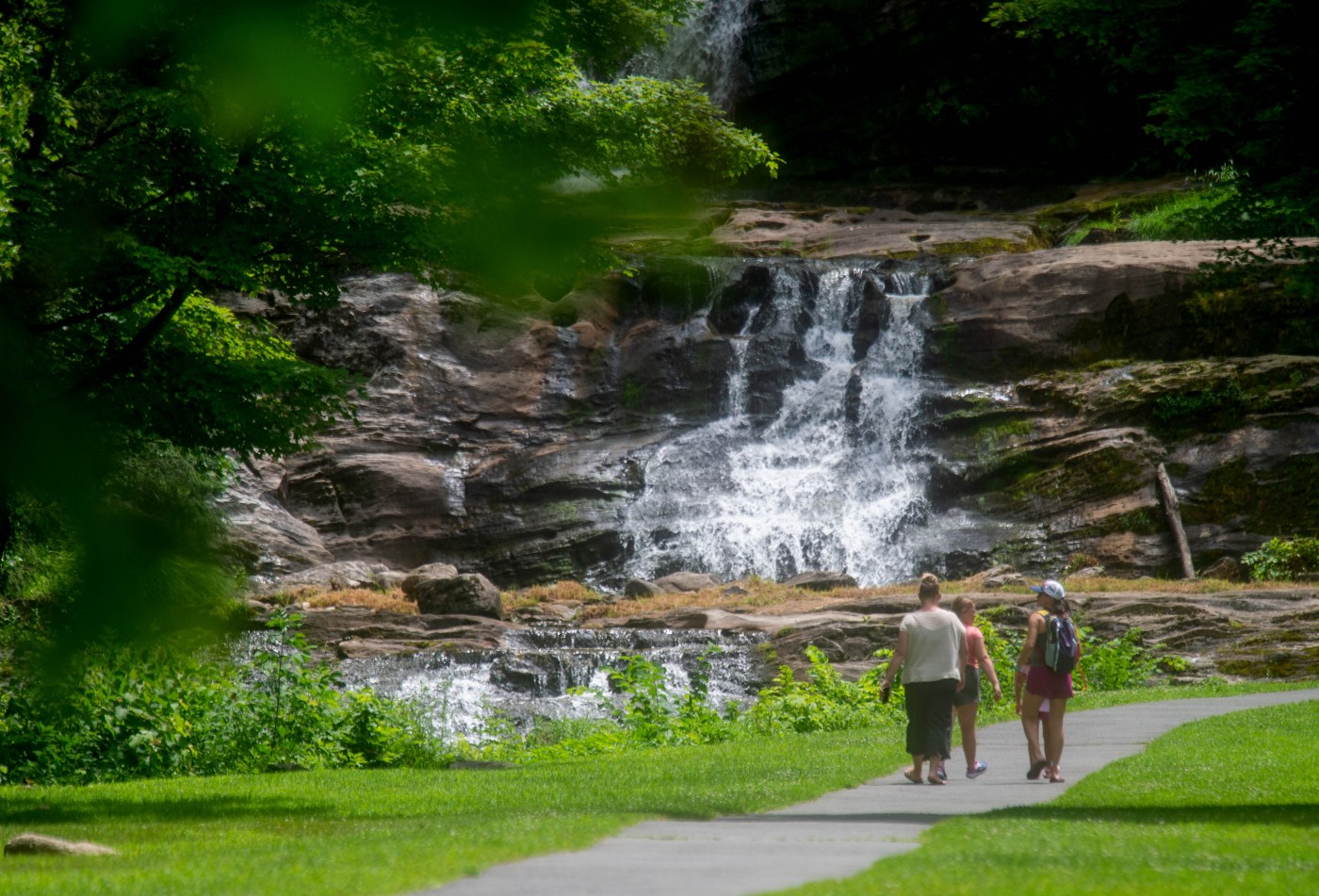
Connecticut’s beautiful parks are sights to behold; however, parks are not a luxury, but rather a public and environmental health necessity.
Open space, serving as parks, community gardens, forests, or other undeveloped land and waterways, benefit the environment and health in communities. Open space promotes climate resilience, air quality, biodiversity, and mental well-being. Yet, not all cities have equal access to open space, so I was dismayed to discover that the distribution of these provisions in Connecticut are often discriminatory.
According to CTdata, municipalities with lower incomes and higher populations of people of color often have reduced open space access.
Therefore, the Connecticut Department of Energy and Environmental Protection should work more with state and local officials to improve equity by expanding access to open space for marginalized communities.
In January, Gov. Ned Lamont announced that $14.3 million in state funding would be allocated to purchasing and protecting open space. Though strides are being made to expand these spaces in Connecticut, there has not been enough emphasis on ensuring equitable allotment of these areas.
As one of America’s most racially segregated states, I would have expected our current progressive governor to prioritize reducing racial and economic injustices in urban planning.
By neglecting low-income, BIPOC communities, while providing more environmental resources to wealthy, predominantly white neighborhoods, the state perpetuates environmental racism and must act urgently. Afterall, open space should be a universal right, regardless of zip code.
Bridget Hunt, West Hartford