
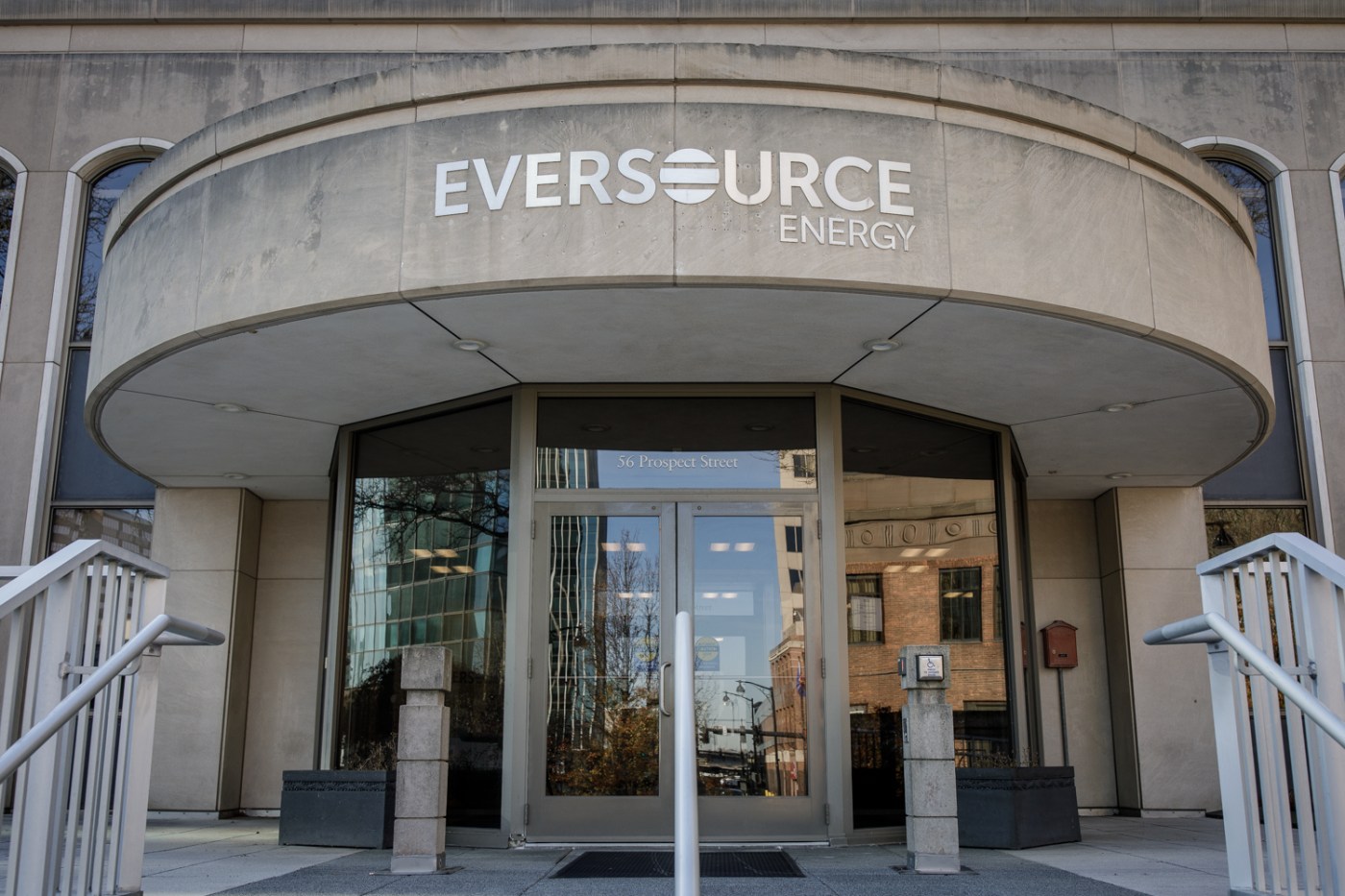
Connecticut utility regulators on Wednesday blocked the sale of Aquarion Water, saying that while the proposed transaction was financially acceptable, the new non-profit owner would be exempt from regulatory control and customers could have faced significant water rate increases.
The 4-0 vote by the Public Utility Regulatory Authority follows months of political and consumer opposition to the sale. Aquarion, an Eversource subsidiary, serves about 218,000 customers and 685,000 water users in 57 Connecticut towns and cities, most of them in Fairfield County.
“This deal was a costly loser for Connecticut families and PURA was right to reject it,” said Attorney General William Tong, a critic of both Eversource and the proposed sale.
“Eversource desperately wanted to offload Aquarion, and they concocted this maneuver to extract as much cash as possible by guaranteeing the new entity free reign to jack up rates,” he said. “Eversource is free to find a new buyer, but should understand that any new attempt to end public regulatory oversight over water bills for hundreds of thousands of Connecticut families is going to be a non-starter here.”
Senate Republicans, who have fought against the sale for months, issued a statement saying, “We thank PURA for voting down this atrocious deal which would have caused a tsunami of unending water rate spikes in cities and towns across Connecticut.
Under the terms of the rejected sale, a newly created subsidiary of the nonprofit South Central Connecticut Regional Water Authority would have acquired Aquarion for about $2.4 billion – $1.6 billion in cash and $800,000,000 in debt.
Eversource began looking for a buyer for Aquarion, which also operates in Massachusetts and Rhode Island, after a 2023 PURA ruling that denied it a rate increase, slashed existing rates and prevented the utility from receiving millions of dollars it had invested in infrastructure. The state Supreme Court ultimately upheld most of the rate decision and critics said Eversource was pushing the sale to raise cash to defray costs associated with an offshore wind investment.
Opposition to the deal centered principally on the fact that it would have removed Aquarion from regulatory oversight by making it a subsidiary of the non-profit regional water authority, which is exempt from state regulation.
CT is in the middle of major water fight. What the sides contend, including that ‘the deal stinks.’
The sale of an regulated, investor owned utility, to an unregulated non-profit required a special legislative exemption. Senate Democrats rushed that exemption through the Legislature with little analysis during a 2024 special session devoted ostensibly to clarifying motor vehicle taxes.
Gov. Ned Lamont signed the exemption into law. But earlier this week, he was concerned about consequences of the proposed sale for water customers, saying through a spokesman that “Connecticut ratepayers deserve relief from high utility costs and at a time when the governor is working to lower those costs, selling Aquarion could adversely impact those efforts.”
Eversource spokeswoman Jamie Ratliff said Wednesday that, “The special act approved by legislators in 2024 indicated that the state was interested in an expanded non-profit model. However, once tested, that same special act proved difficult to overcome for PURA to move away from an investor-owned model.”
During testimony before PURA on the proposed sale, Tong’s office complained its terms would have allowed the new Aquarion owners to impose “unaffordable year-by-year rate increases starting in 2027 through 2035 of between 6.5 and 8.35 percent annually, followed by additional anticipated increases every five years thereafter.”
Some of the opposition to the sale came from government groups that argued it would have decreased the amount in local taxes Aquarion now pays on tens of millions of dollars of real estate and infrastructure by shifting it to a nonprofit. In its written decisions, PURA said the new nonprofit owners committed “to pay no less … than the amount that Aquarion is currently paying in property tax.”
PURA’s written decision said the terms of the proposed sale show the transaction would meet threshold “financial suitability and responsibility criteria.” But elsewhere it said the terms “cast doubt on the ultimate financial structure and strength of (the new nonprofit owner) and any projected benefits to its ratepayers.”
“Despite meeting financial suitability and responsibility requirements, and the Applicants’ assertion of future cost savings, the acquisition premium and expected rate increases merit further Authority scrutiny in any future proceeding,” the decision said.